The Address of a Dark Streetlight
A useful streetlight report distinguishes a fixture, a stretch of pavement and an urgent hazard. Clear location details let different people talk about the same problem.
In this story 4 sections
A person steps off a bus and walks across the block where the next streetlight ought to throw a bright spot on the pavement. It is a familiar route and the first part looks ordinary. At a certain point the expected pool of light does not arrive. From there the ground may seem much darker than a report written at noon would suggest. That is useful information. The hard part comes in describing it to someone trying to locate a specific city fixture from an address, a map and a short account of what happened.
“Streetlight out by the station” can mean several different things. Perhaps one identifiable fixture stayed dark while the others worked. Several could be out on the same side of the road. Or the light that is missing might have belonged to a station entrance rather than a city streetlight. Public works systems need the location and kind of device before they can assign an appropriate response. A resident does not have to make an electrical diagnosis to help with that step. A description of what they can safely see can do rather more good.
Put the observation on the surface where it happened
Write down the street and the nearest useful cross street. Add the side of the block and a nearby address if one is visible. At a corner, distinguish the sidewalk the light serves from the way a driver first comes into the intersection. The safest or most convenient place to stand while noticing a light is frequently across from it. In a report, “on my left” can make perfect sense until somebody approaches from the opposite direction. A compass side or a reference to an identifiable address survives that change.
When an official system asks for a pole identifier, use one that is visible without crossing unsafely or handling anything. There is generally no benefit in hunting for a tag on a damaged fixture. An accurate description of the spot is more useful than a number taken from the wrong pole. The nearest corner light may be easy to name but far from where people experienced a problem farther along the block. Separate the nearest easy reference from the proposed actual location when writing the account. A short note can carry both.
Use a brief time and condition. One fixture can flicker at a particular hour, stay on in daylight or remain dark after neighboring lights normally come on. These are different observations. Seeing a light suddenly switch off as you pass does not automatically establish a recurring problem. Seeing a row of dark lights at a time when the nearby area clearly has its ordinary nighttime operation gives you a different comparison. Report what was observed and whether you have seen it more than once. No one needs to stand at a dangerous or isolated site to collect extra observations.
Keep three categories apart
An outage is different from a request for a new fixture or a different placement of an existing one. NYC311 has public information for both a streetlight complaint and a request to install or relocate a streetlight. The same dark pavement can give rise to either question. If an existing lamp that normally lights it has failed, a report can point to that lamp. If every light is operating as usual but the path still has a gap, the relevant question may concern coverage, layout or another obstruction. A clear initial description helps the city understand which problem the person is asking it to examine.
Keep a safety hazard in a category of its own. A damaged or leaning pole or signs of exposed electrical danger call for different attention from an unlit lamp with no apparent damage. Stay away, keep others clear if that can be done safely, and use the city’s current directions or the applicable emergency service for immediate danger. There is no ordinary reporting advantage in touching equipment, approaching loose material or taking a picture from close to it. A description from a safe position can still identify the location. When a photograph is neither useful nor safe, don't include one.
Finally, distinguish a traffic signal or other equipment from an ordinary streetlight. Nearby fixtures may share a position or look as if they have the same owner without being the same kind of thing. Lights that belong to a private lot, park or transport operation may also have different responsible organizations. The public information on the city’s streetlighting service is a good reference while working out where to report something. Do not try to resolve an unclear relationship by guessing at ownership in the first line of the complaint. A description of the device and the surrounding street gives the receiving service a better chance of routing it.
Five lines are often enough
Try this example for an imaginary street. The light is on the southwest sidewalk of Archer Street near its junction with First Road. It stands outside the building marked 16. It was dark at about eight in the evening on Tuesday. Two other street lamps on that side were lit. The person looking could not determine whether it had been dark the night before. These five lines do not give a full history of the fixture. They do let another person separate a particular location from the area and decide what observation needs confirming.
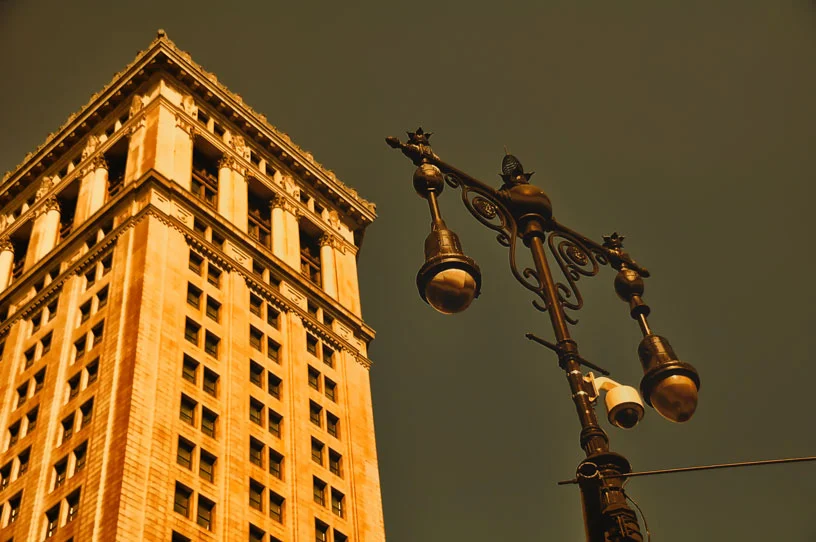
If instead there were three lights dark along that side, write which stretch they occupy, with two distinct ends. The person who reads the note need not reconstruct the original journey to identify the one corner and the area farther on. If you have a photograph and it is safe and appropriate to share, try including a recognizable reference rather than filling the whole picture with the unlit head of the lamp. A photo of a near black shape against a dark sky can faithfully represent how the walk felt and give the wrong amount of information to someone looking for a particular pole.
In an occasional or recurring problem, label the difference between nights. If the lamp was lit on Thursday but flickered on Friday at another hour, write those as two observations. You may discover the condition is tied to a limited part of the evening, or simply that the lamp is hard to judge from one direction. An incomplete account becomes more useful when its gaps are explicit. Falsely stating that the fixture is always out because it was out when observed makes it harder to understand later reports that say otherwise.
Occasionally the useful part of a report is a boundary. If four unlit lamps are preceded and followed by lit examples within the same view, mark both ends, without implying that you know how those parts of the street are connected. The next report may come from a person on another block. Sharing the same time and location can help the city recognize whether an apparent cluster belongs to a larger interruption or several reports about different times. A resident should leave electrical connections and causes to the workers who can examine them.
Do not remove the reference when making a short summary for a building notice. Give the street segment, say when the condition was last seen and give the reporting number if sharing it is appropriate. You can invite someone to submit an update rather than encouraging a rush of identical complaints. This gives a later user of the sidewalk a way to say what part has changed since the first observation.
A return visit gives the earlier note a second use
A report with a reference number or a date can be followed without asking everyone on the street to start over. Suppose the lamp is lit later but the walking route still feels dim in one place. That is a way to distinguish whether the fixture restored its usual appearance from whether the public space now offers the lighting the person needs. If another lamp appears dark, make sure it is the same location before folding the observations into one history. A block can contain several failures and one very memorable name. It helps to count the fixtures separately from the complaints.
Where a public review concerns lighting levels rather than one broken part, the measurements and route matter to a different degree. The view along a path from the first approach can be useful in addition to the surface directly beside a fixture. A tall obstruction or visible change in how someone can move through the area can turn a photograph into a partial account. Use measured evidence from the appropriate service or study when numbers matter. A phone’s automatic exposure can even make two walks taken under different conditions look equally bright.
The person returning from the bus might never see the office that interprets their report or the crew that goes to the site. A few lines have given those people a view of the same public object. That is a practical success even before the work has been done: everyone can ask whether the same lamp was repaired, whether several neighboring lights were involved and whether an additional question about coverage remains. Looking after a street depends on an address for the place as well as an account of what needs attention there.