What a Tree Inventory Calls One Address
Two trees can stand in front of the same building and require different work. A public inventory needs a way to identify the individual tree without losing sight of the street around it.
Find the public record behind a local decision.

Two trees can stand in front of the same building and require different work. A public inventory needs a way to identify the individual tree without losing sight of the street around it.

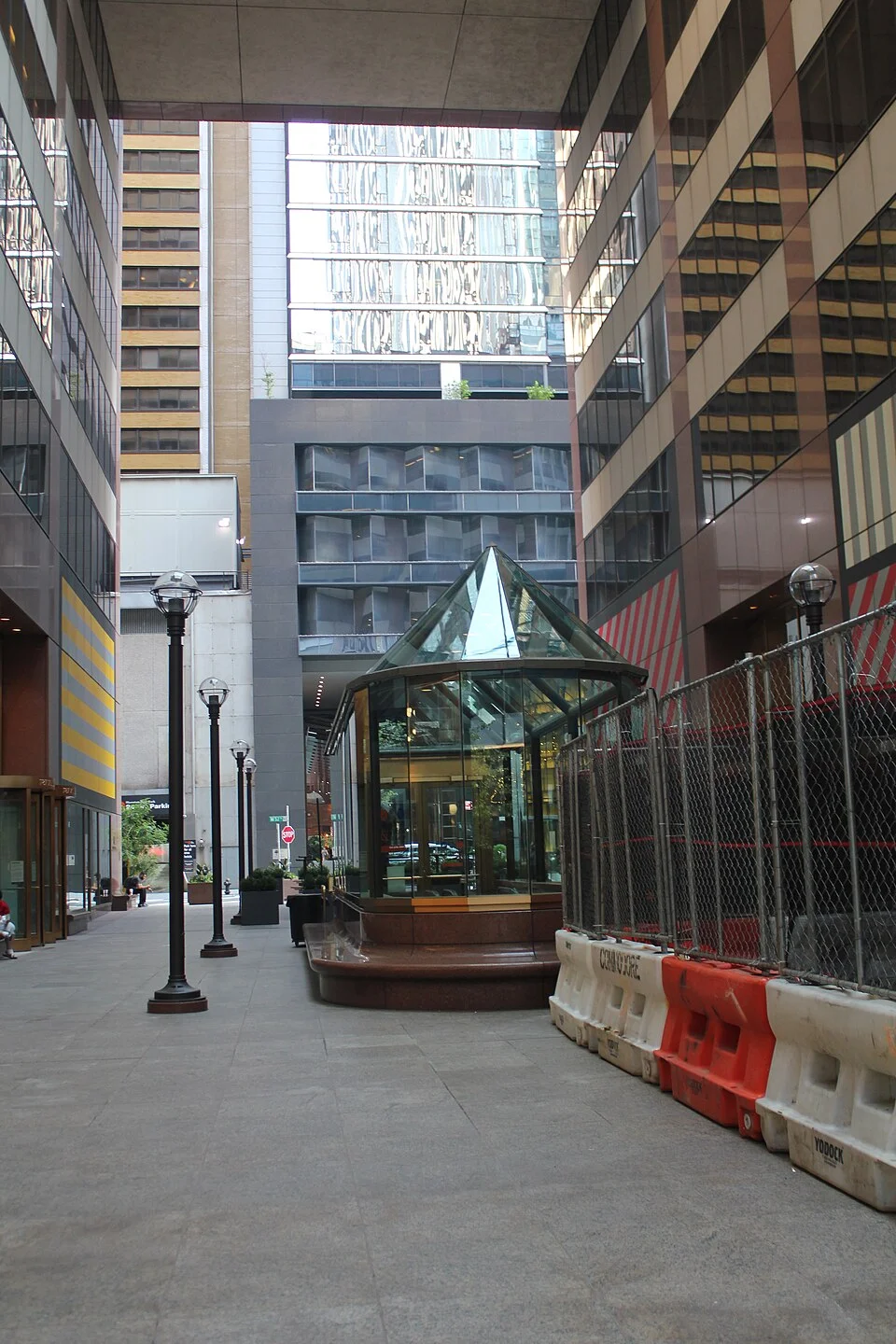
A publicly accessible passage can run between privately maintained walls and still work as part of a bigger trip. Manhattan’s 6½ Avenue shows why openings and hours matter block by block.

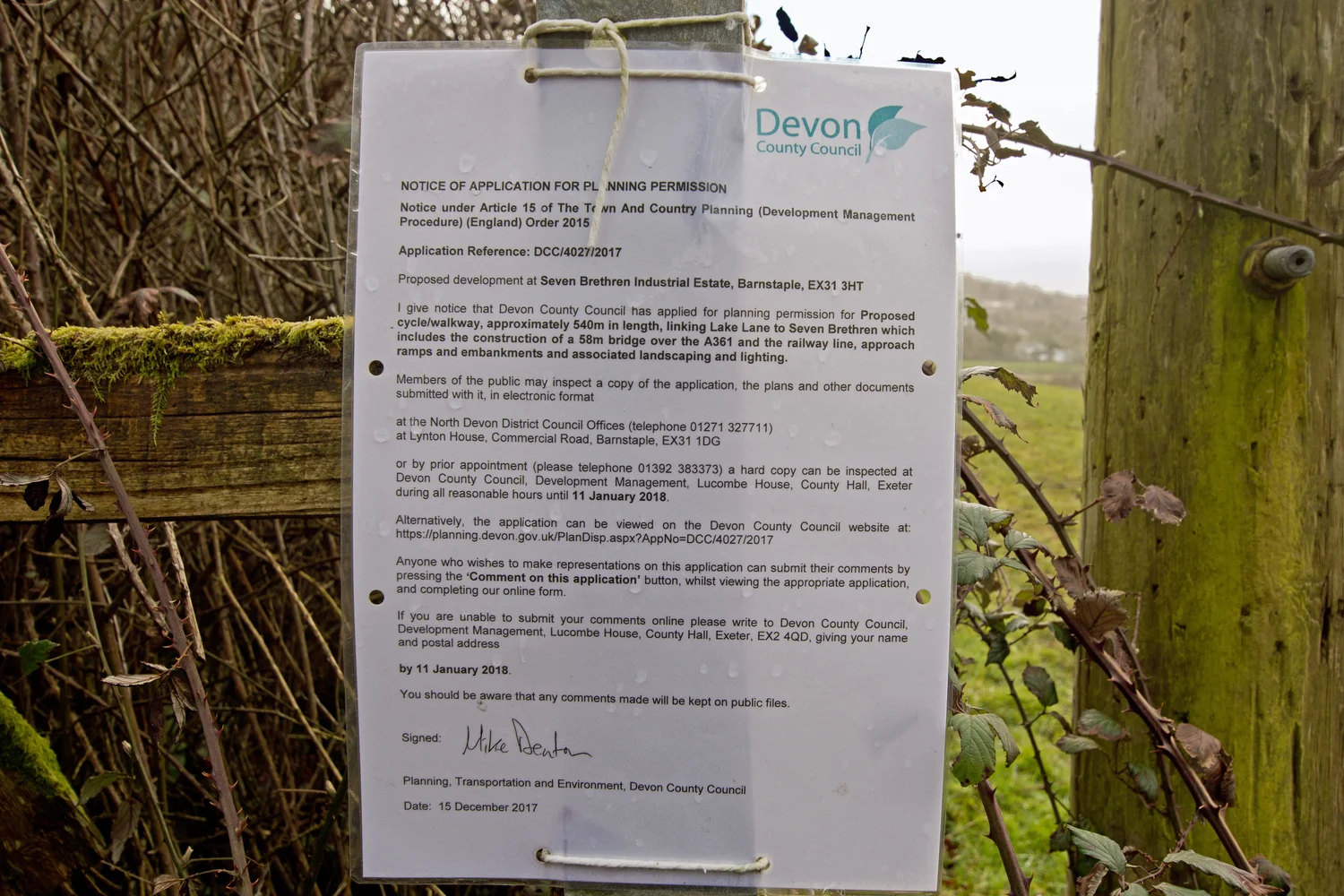
A short code on a public notice can lead from a fence to drawings, amendments and a decision. It matters where that trail starts and which version of the proposal a reader is looking at.

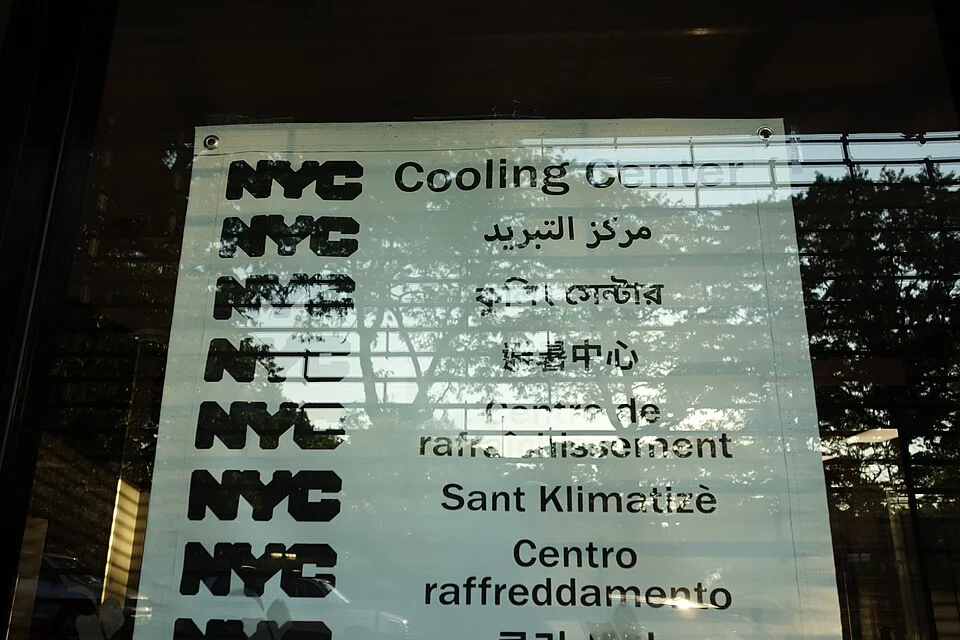
A sign in a window is a start. Turning an existing room into a place people can rely on during a heat event takes verified hours, a usable entrance and a way to update both.

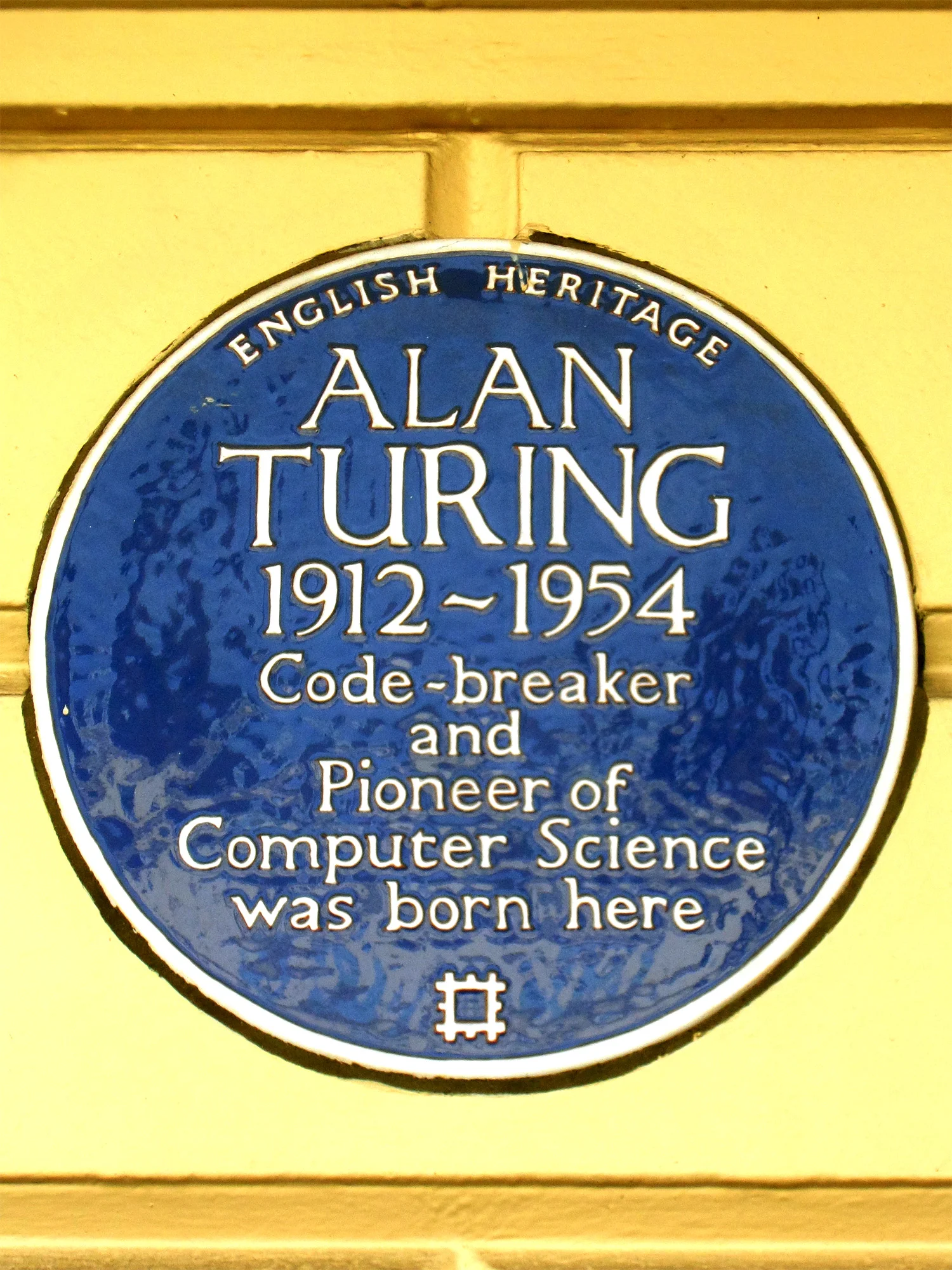
A London plaque connects a person to a particular wall by choosing a few words. Researching that relationship is a different public job from celebrating a whole life.

A recommended budget, an adopted budget and a spending report can all carry the same year on the cover. They answer different questions about a city’s choices.

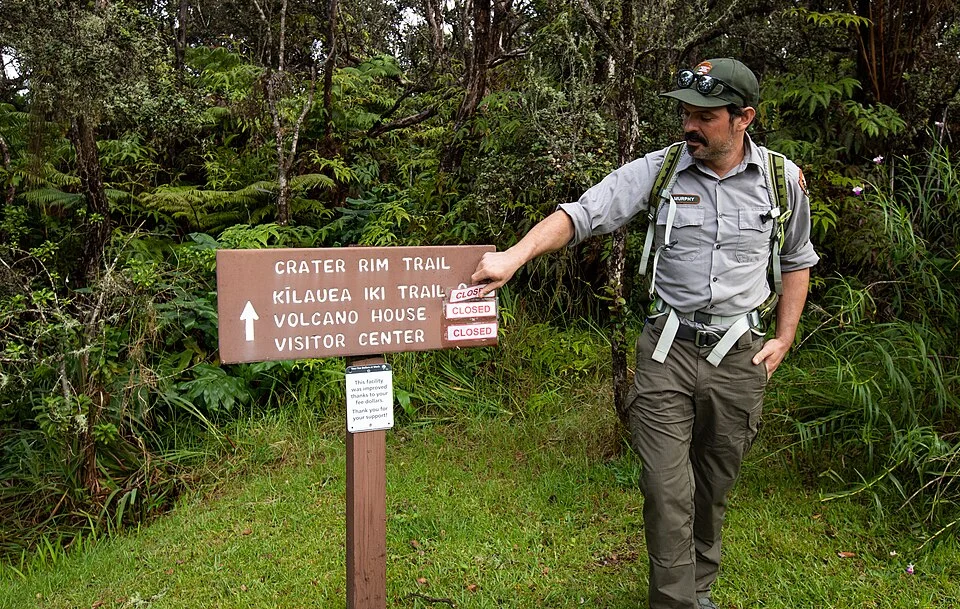
A repaired section of trail can change a whole walking route. The public notices that describe its reopening have to keep different places and dates straight.

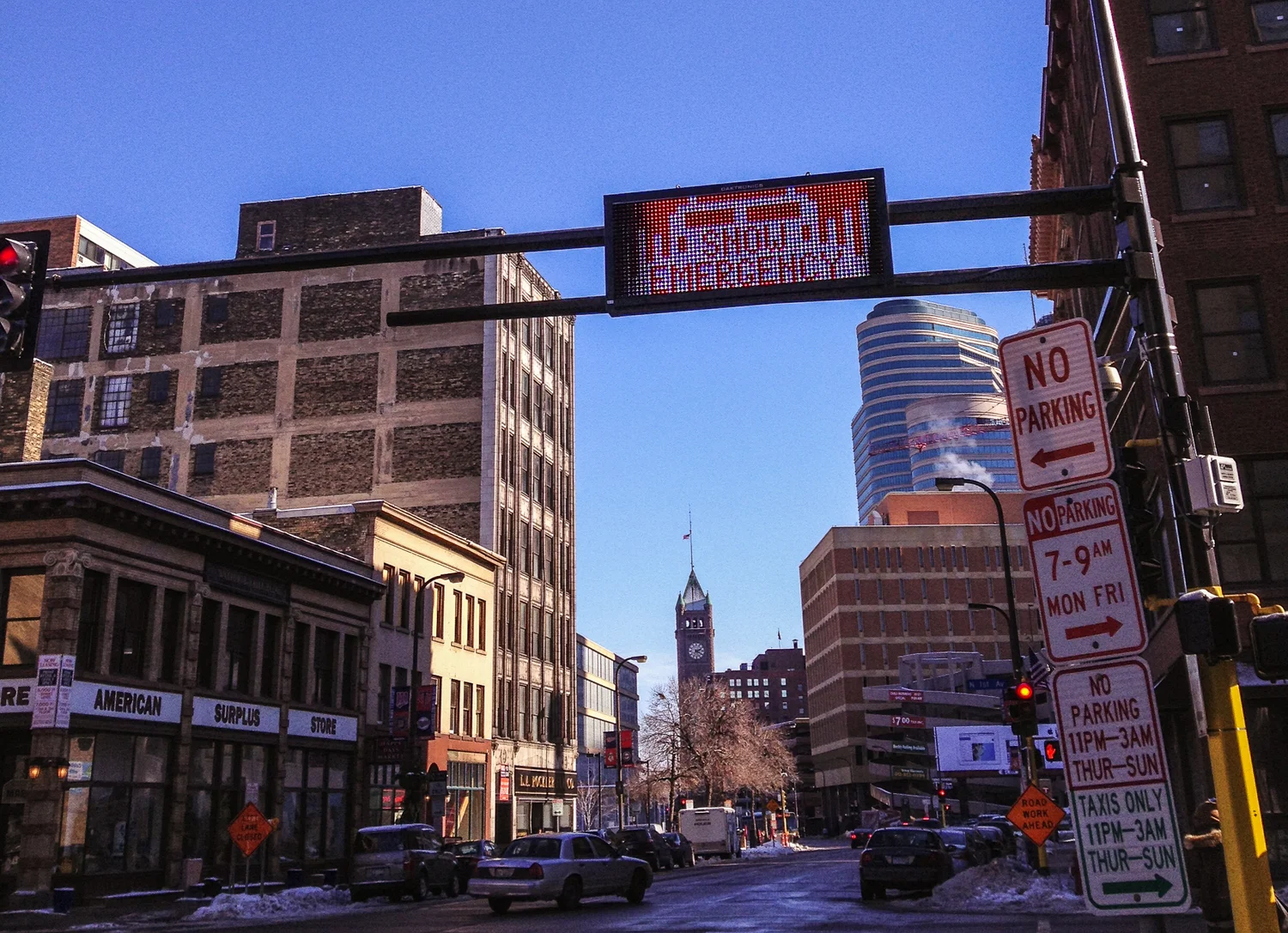
In Minneapolis the same curb can be read differently during different phases of snow clearing. The city’s map makes sense only when it is tied to time and street type.

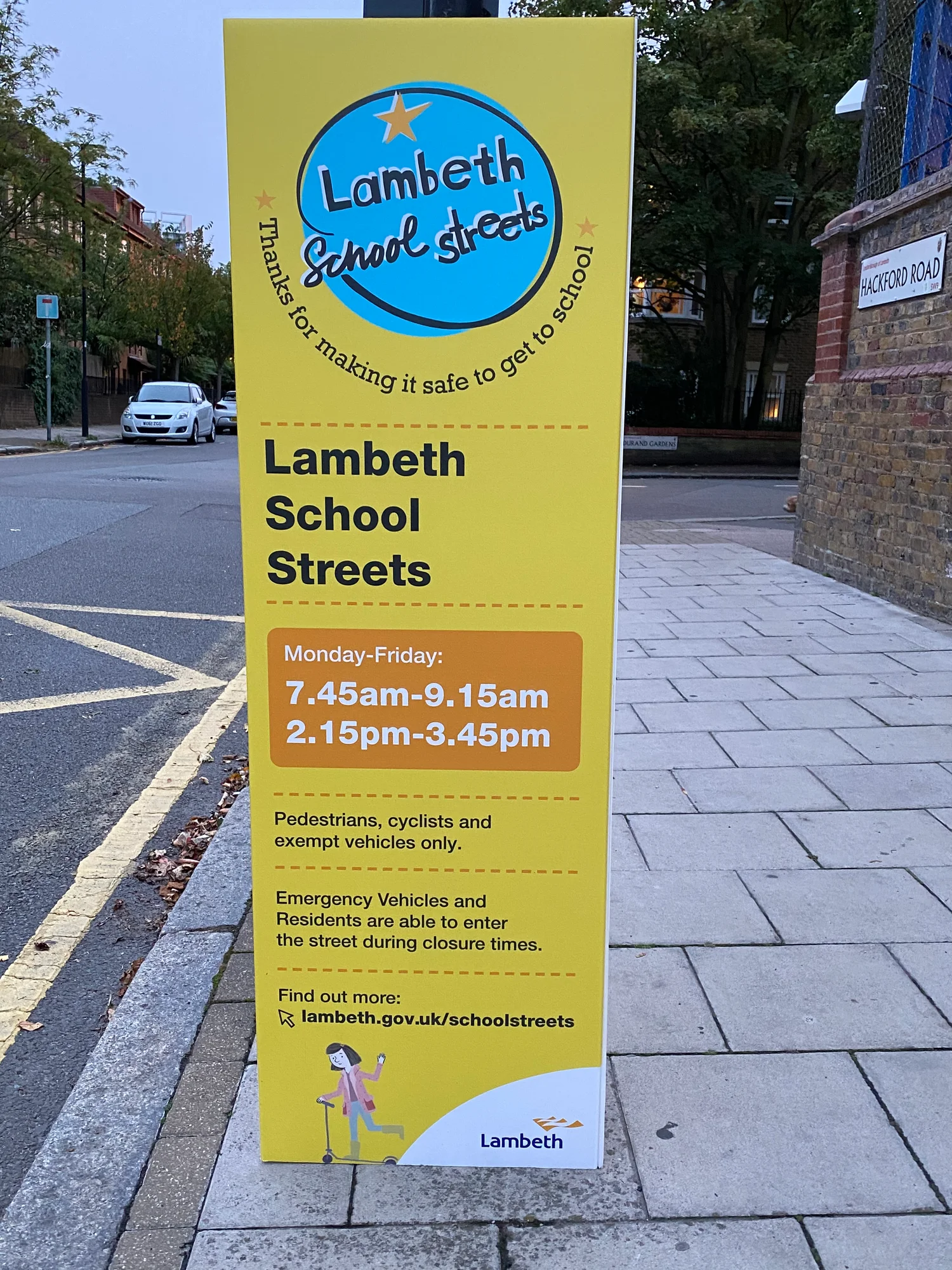
A timed school street changes the approach to a school for part of the day. The right questions start at the sign and continue around the surrounding blocks.

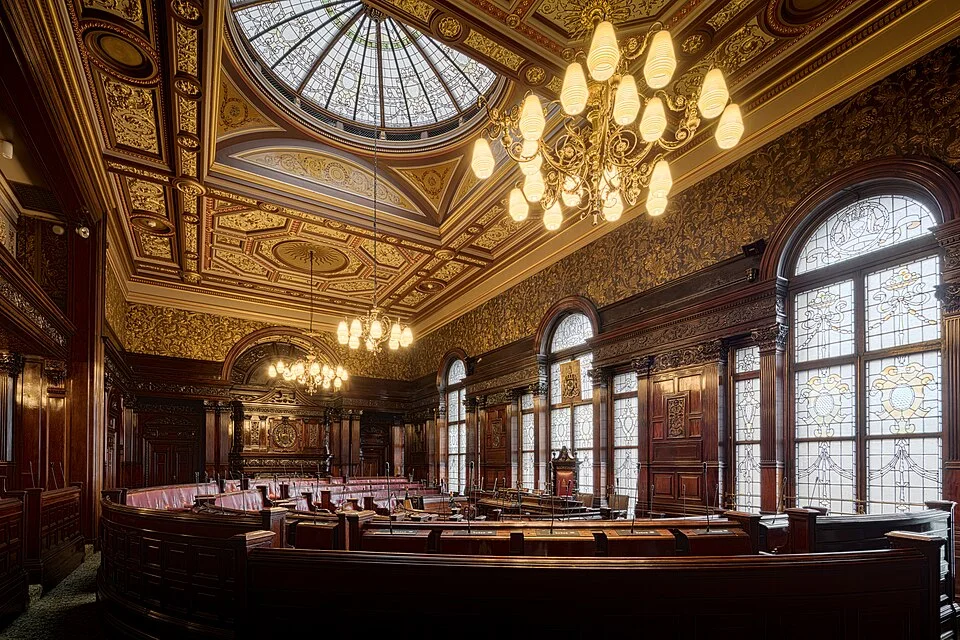
The title of an item tells you what it concerns. The recommendation, attachments and subsequent minutes tell you which decision was actually before the council.