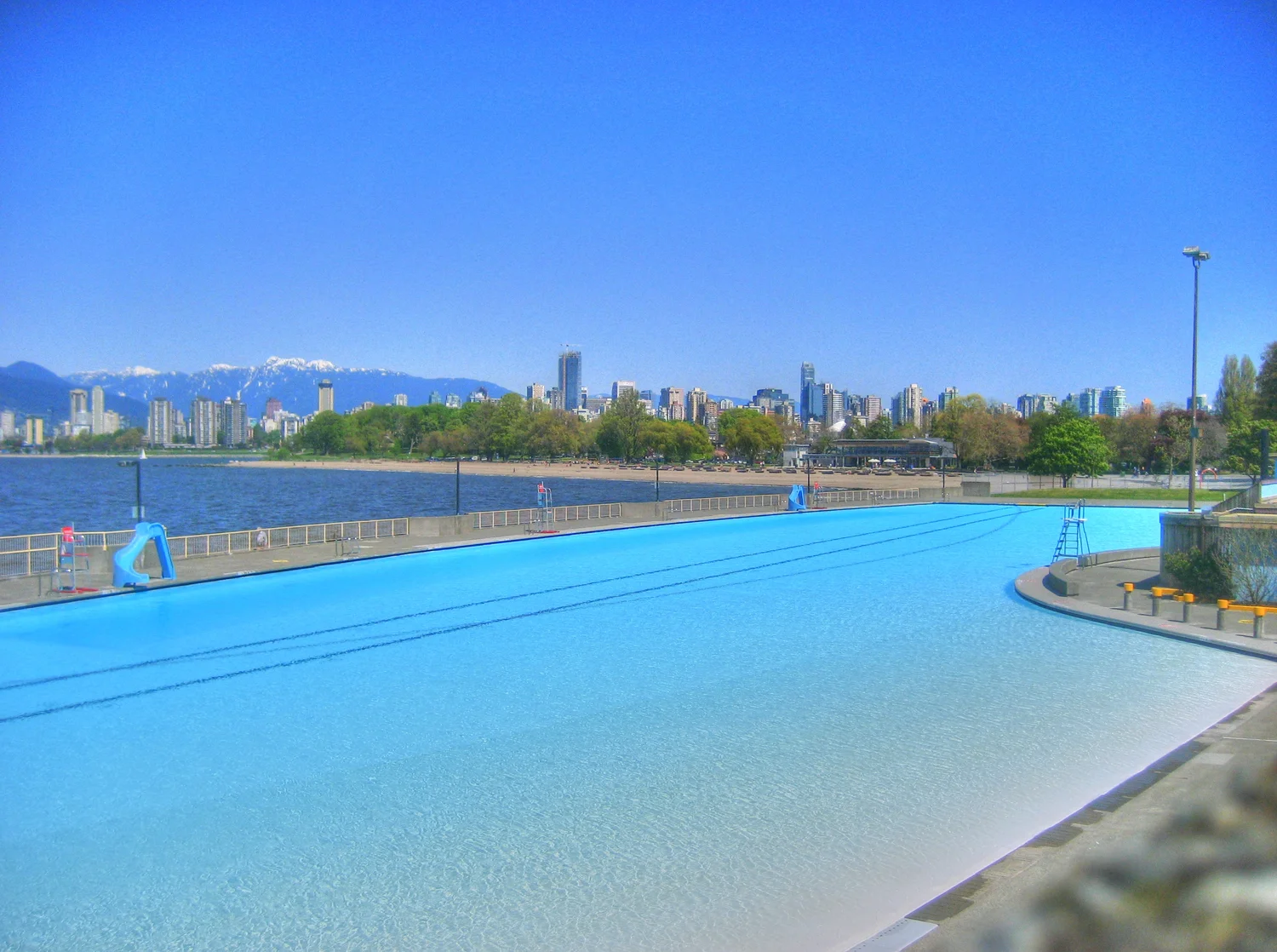
Public services 8 min read
When a Public Pool Shares Its Lanes
Booking a swim, choosing an open lane and finding an accessible way in are three different parts of sharing the same water.
 The civic life edition
See how ordinary services make time and space available.
Booking a swim, choosing an open lane and finding an accessible way in are three different parts of sharing the same water.
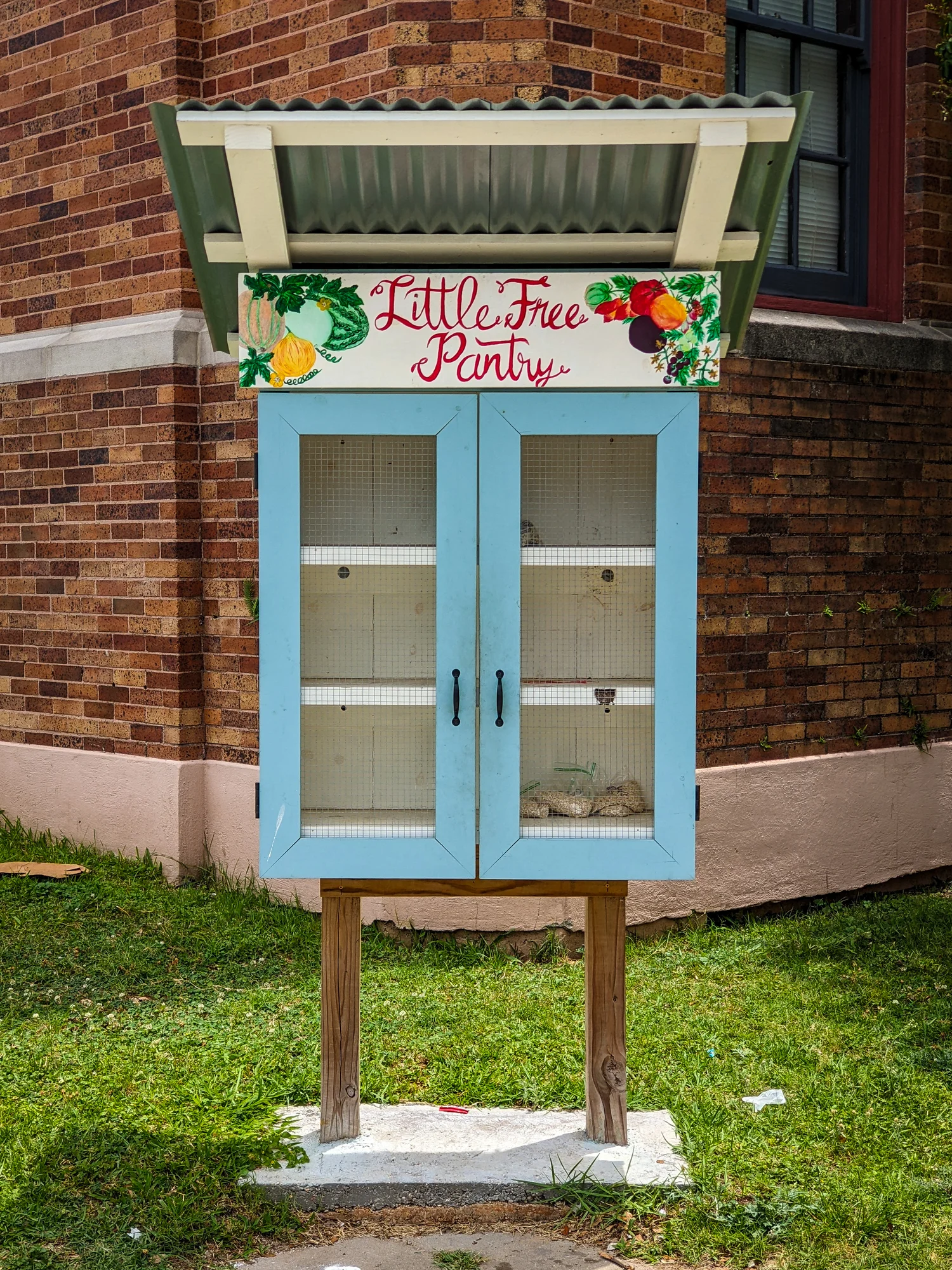
A small cabinet lets neighbours leave and take supplies without meeting at the same time. The welcome on its door has to stay useful even when its shelves are empty.
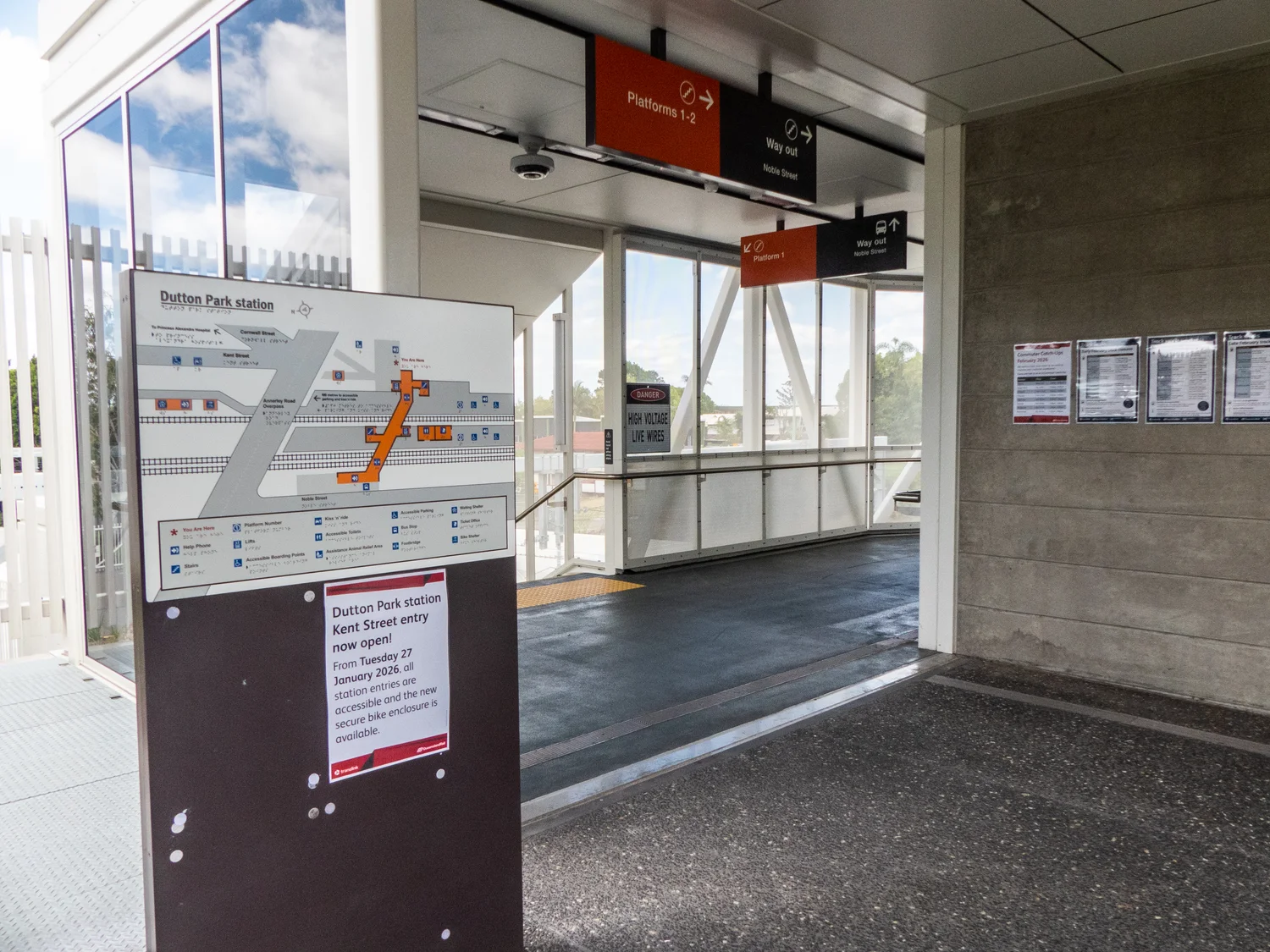
A map beside a station door can offer a view for the eye and a route for the fingers. Both have to connect the place where the map stands to recognizable features farther inside.
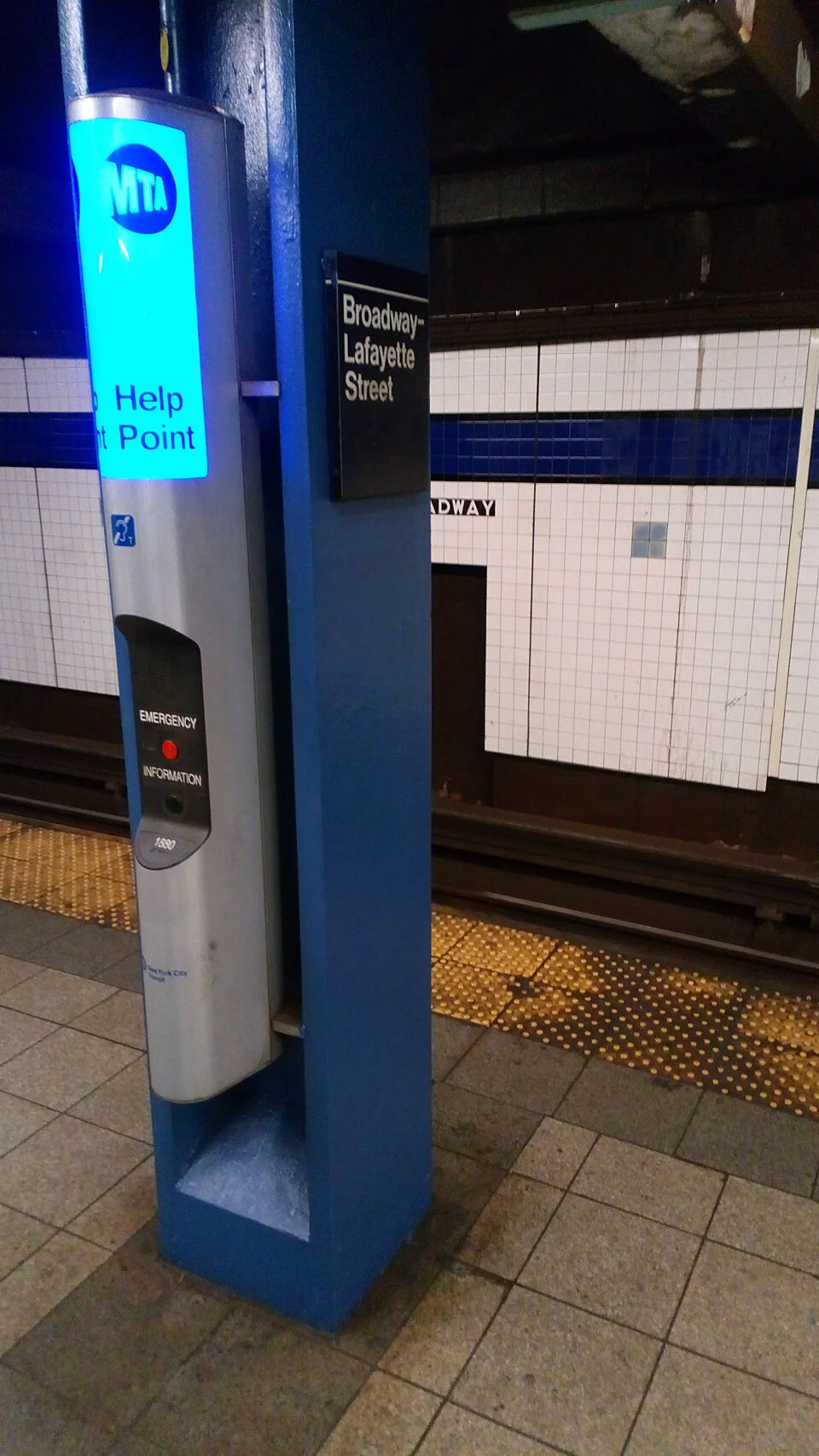
The light on a New York subway Help Point marks a place to ask for assistance. Its two buttons, the response on the other end and the space around it are all part of the service.
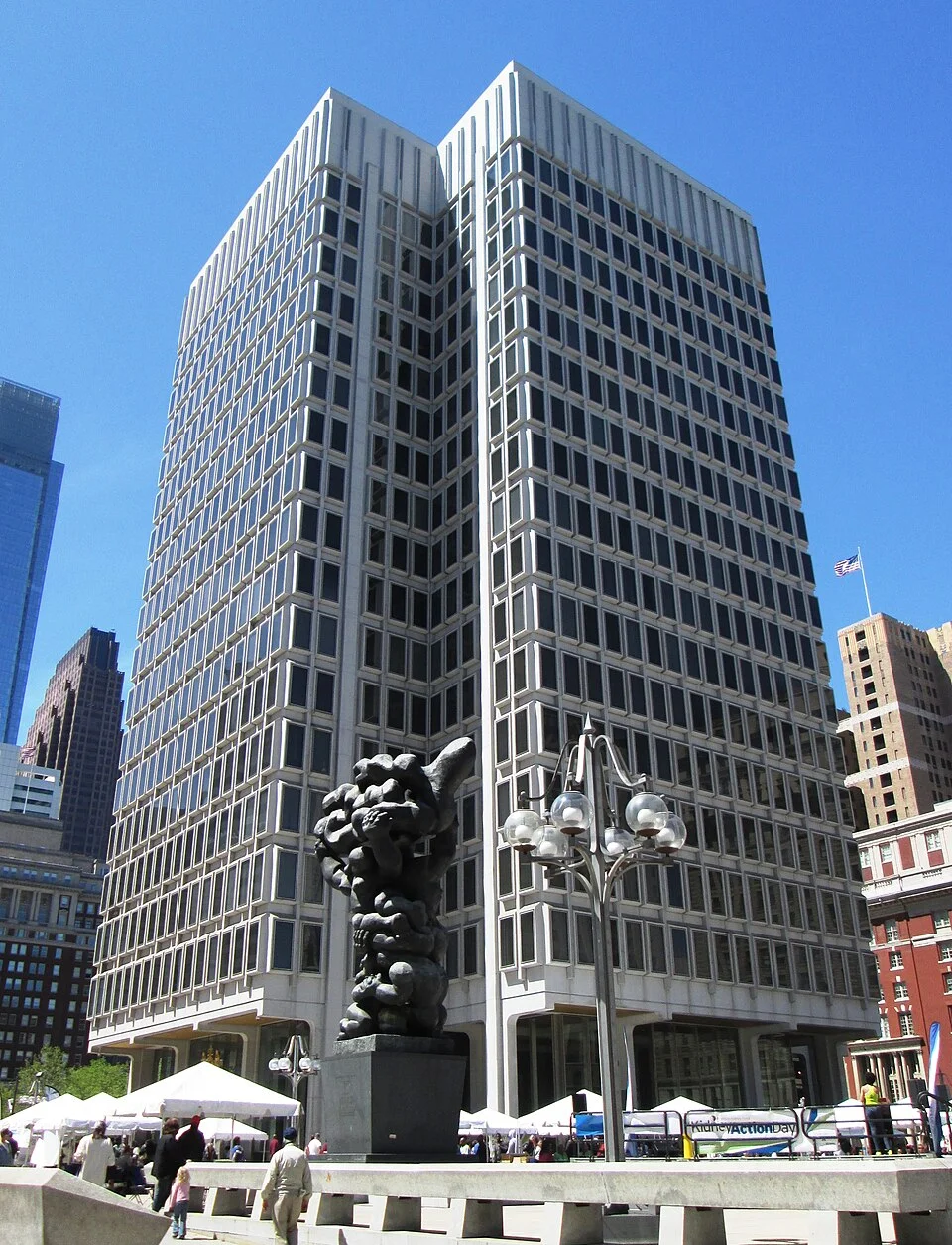
A paper ticket gives a visitor a place in a queue without assigning them a spot on the floor. Philadelphia’s municipal kiosks show how that small change affects a visit.
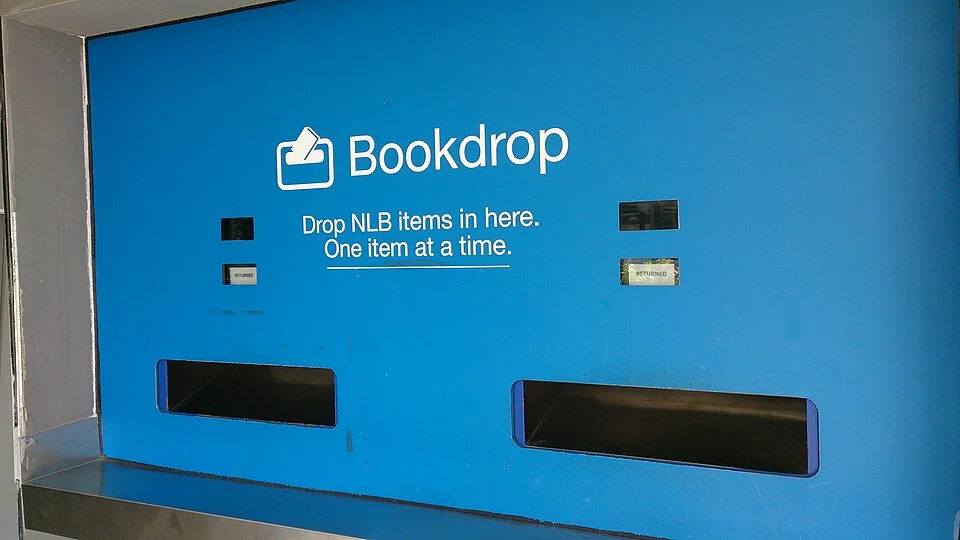
A book drop lets people finish a return after the lending desk closes. The service only works if the slot, its limits and the confirmation of a return are easy to understand.
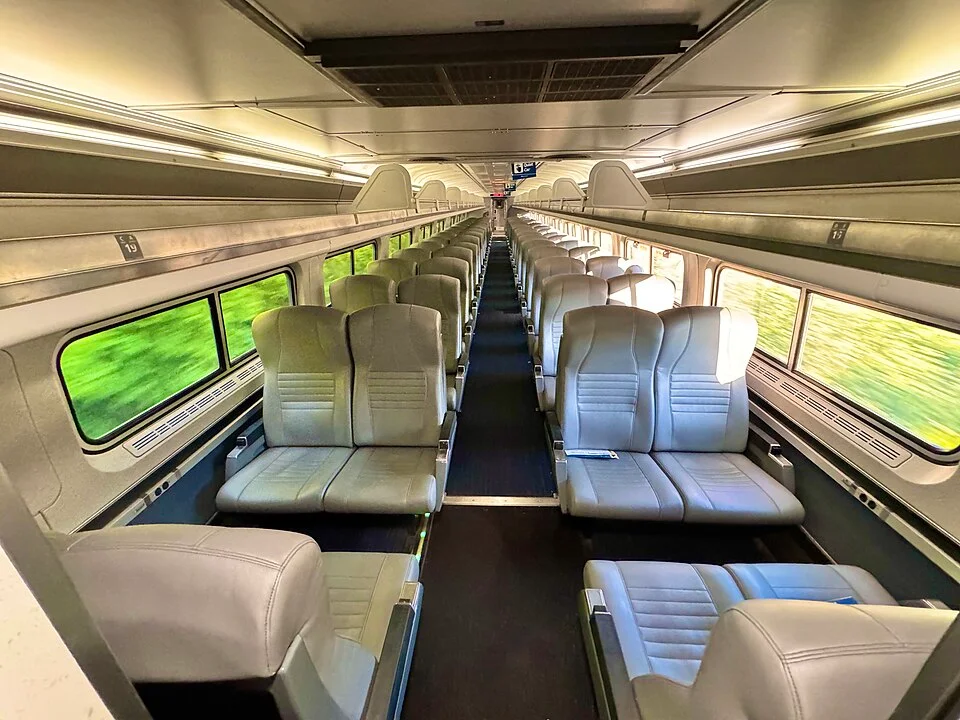
A train can set aside one shared space for quieter travel. The sign for it has to help people choose a carriage and understand what quiet means once they take a seat.
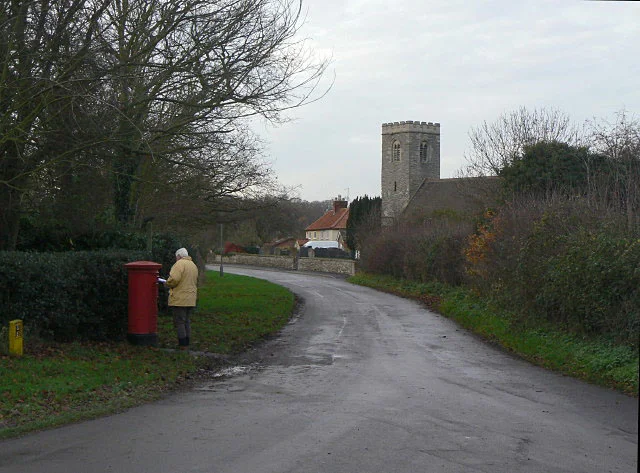
You can drop an envelope into a street box while nobody is there. The small plate beside the slot explains how that unattended action becomes a scheduled collection.
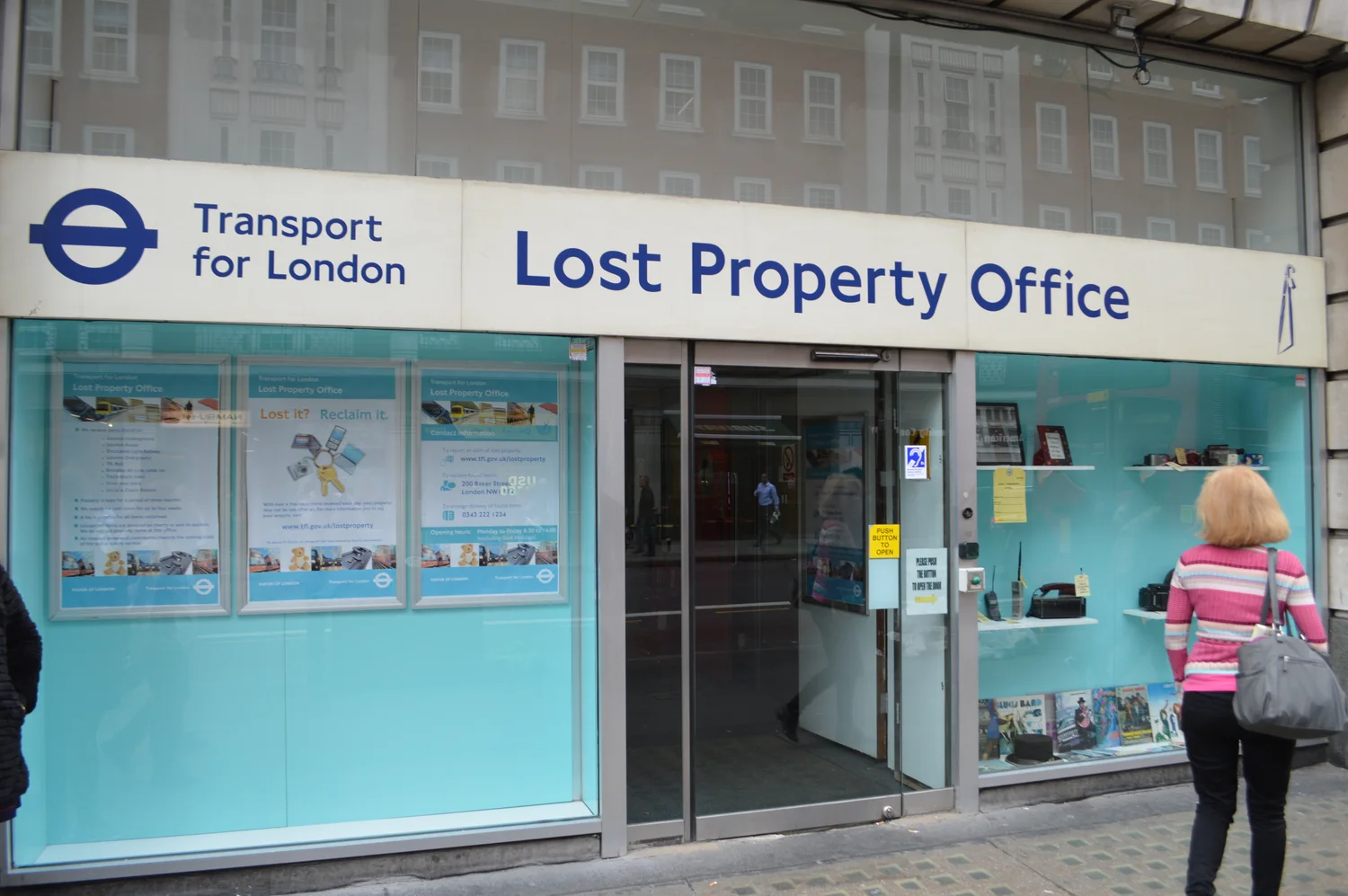
A good lost property service joins two accounts of the same event: an item that was handed in and a person who remembers leaving it behind. Their records usually begin in different places.
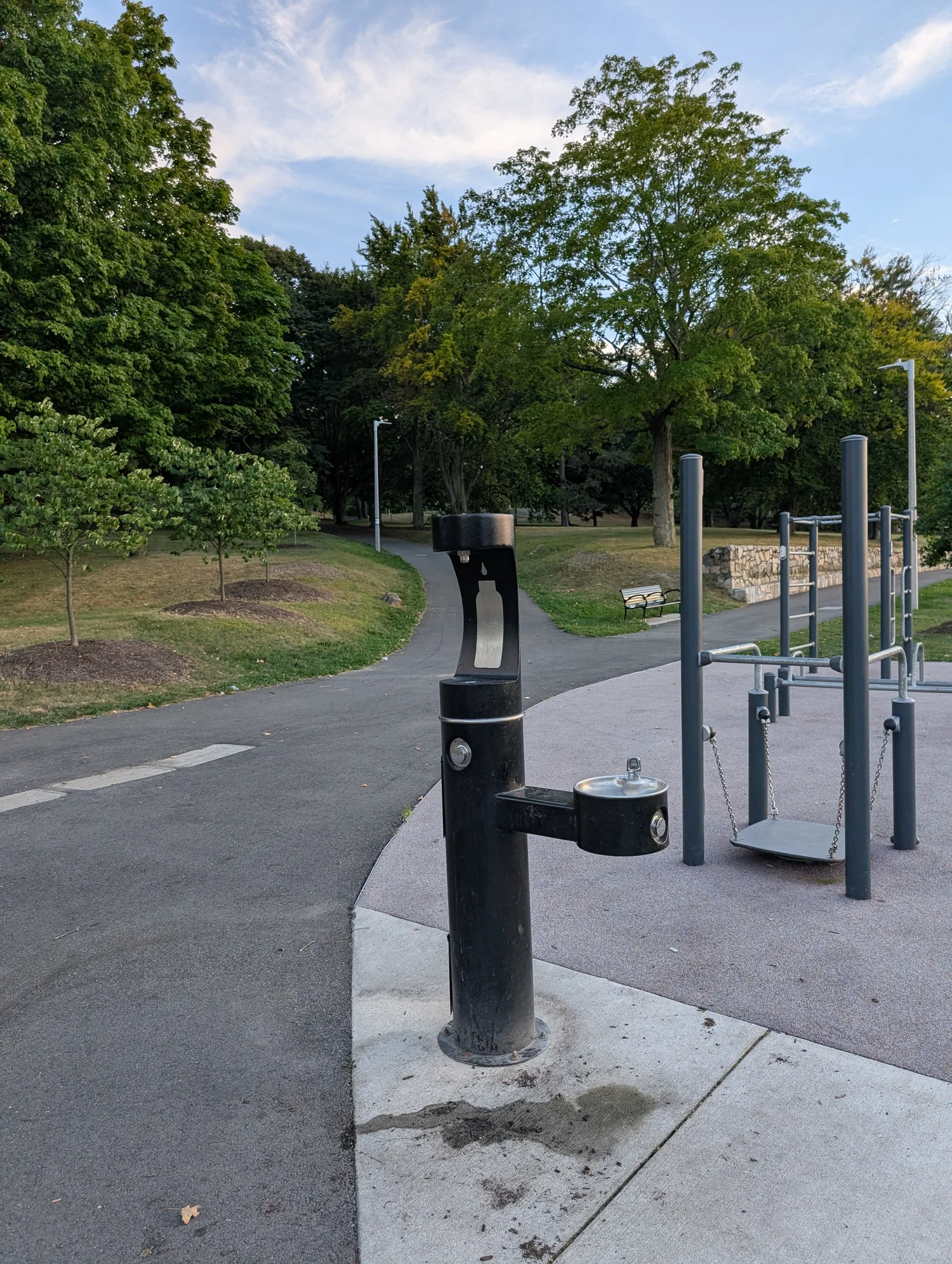
A public fixture can offer a drinking spout, a bottle filler or both. Its place on the path, the design of its controls and a useful maintenance record determine what it actually offers a visitor.
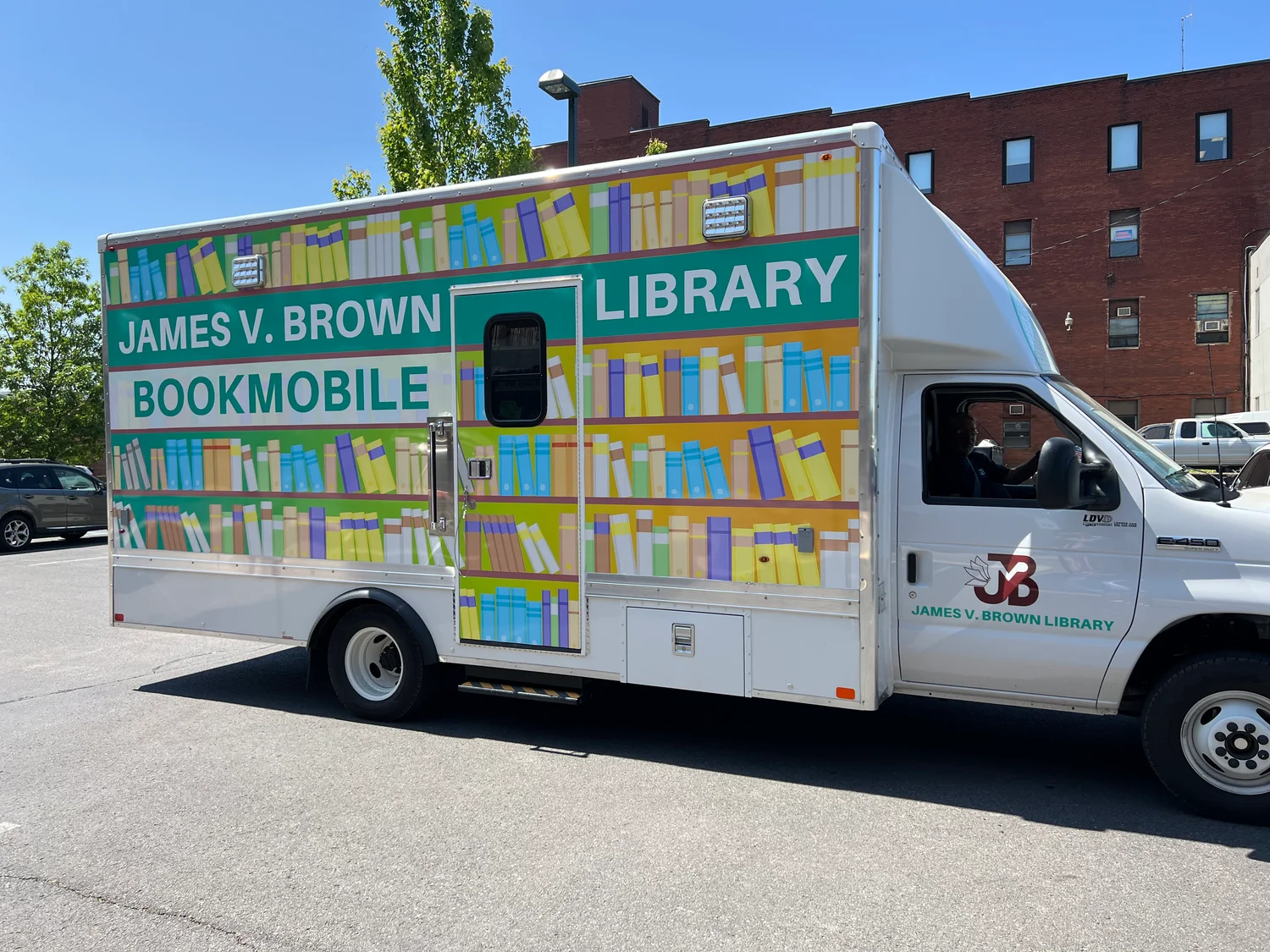
A library vehicle brings a collection close to readers for a particular window of time. The parking space, timetable and pickup instructions all shape who can use it.
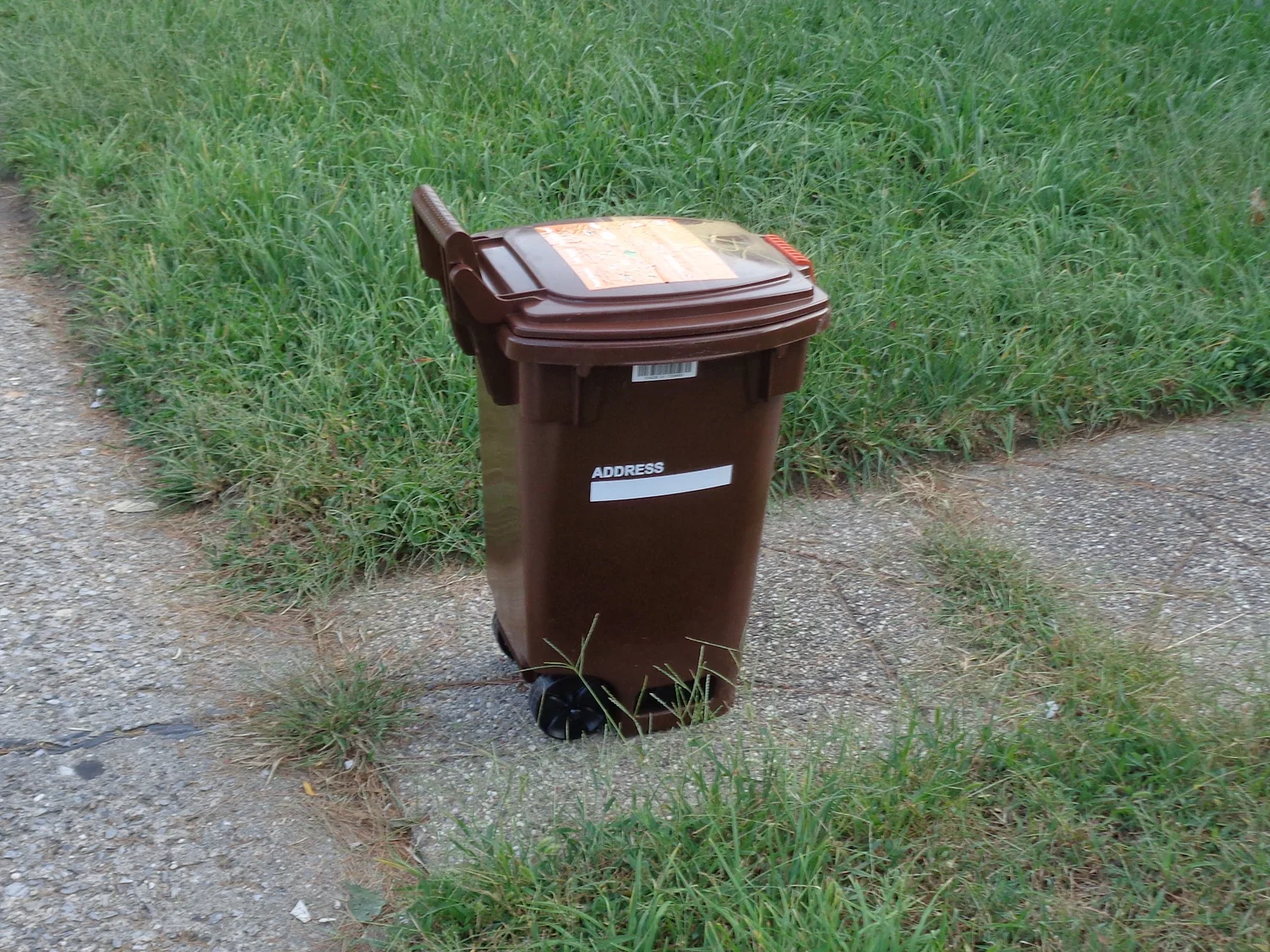
Separating food scraps at home is the first handoff in a municipal service. The bin, the building and the collection route each have their own job.
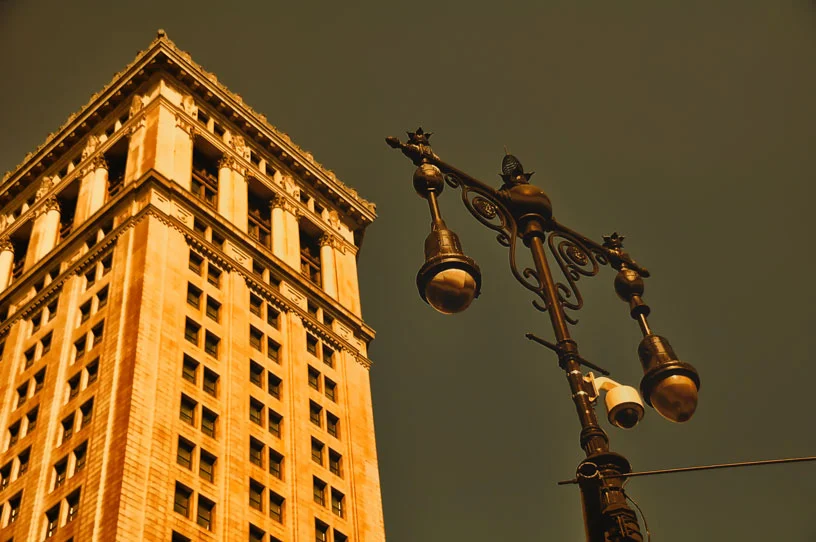
A useful streetlight report distinguishes a fixture, a stretch of pavement and an urgent hazard. Clear location details let different people talk about the same problem.
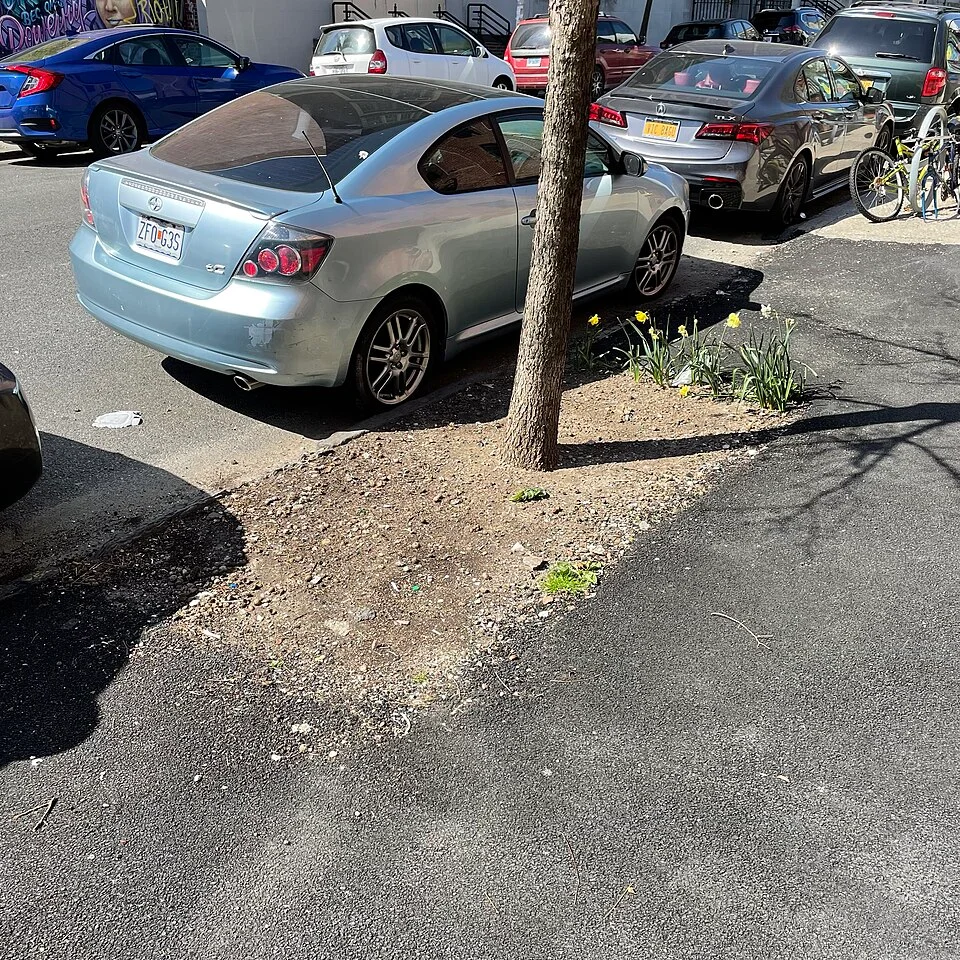
A sidewalk tree is easy to put on a map. Keeping its patch of ground useful requires a record of what the city, a contractor or a volunteer can actually do.
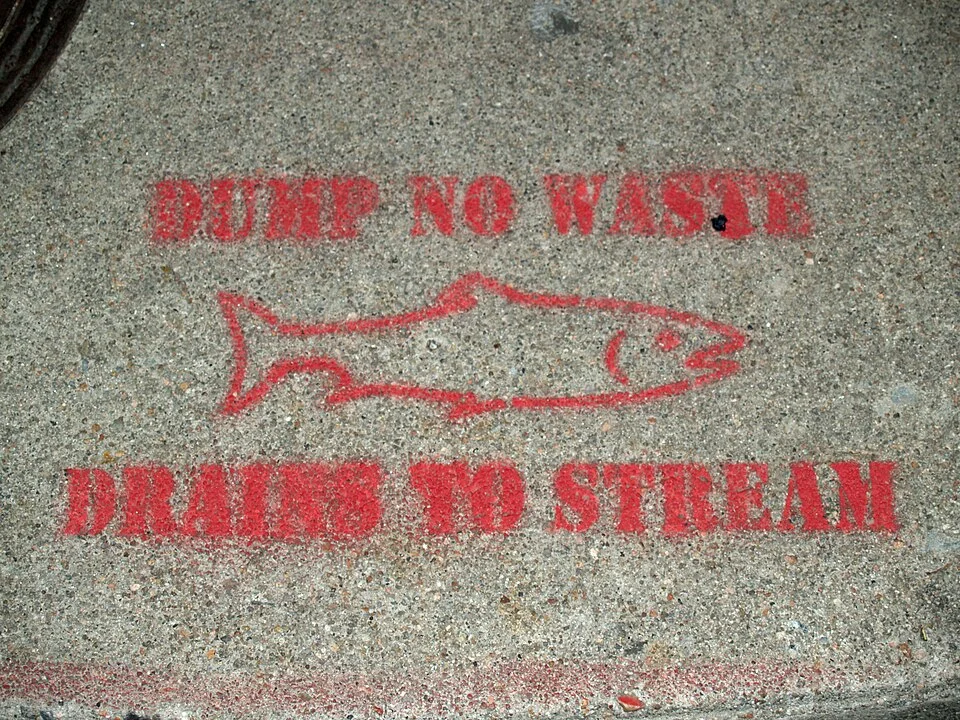
The message painted beside a storm drain is a small public map. It shows why a seemingly harmless decision at the curb may matter far beyond that block.
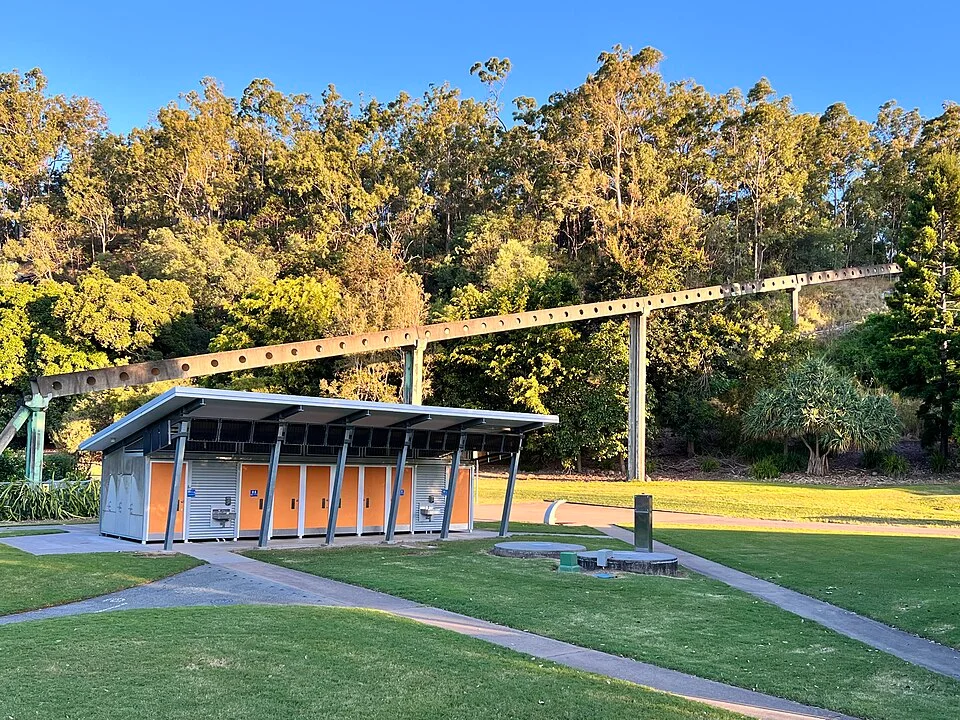
A pin is a start. Entrance location, opening hours and meaningful accessibility details decide whether a listed public toilet is useful to the person planning a trip.
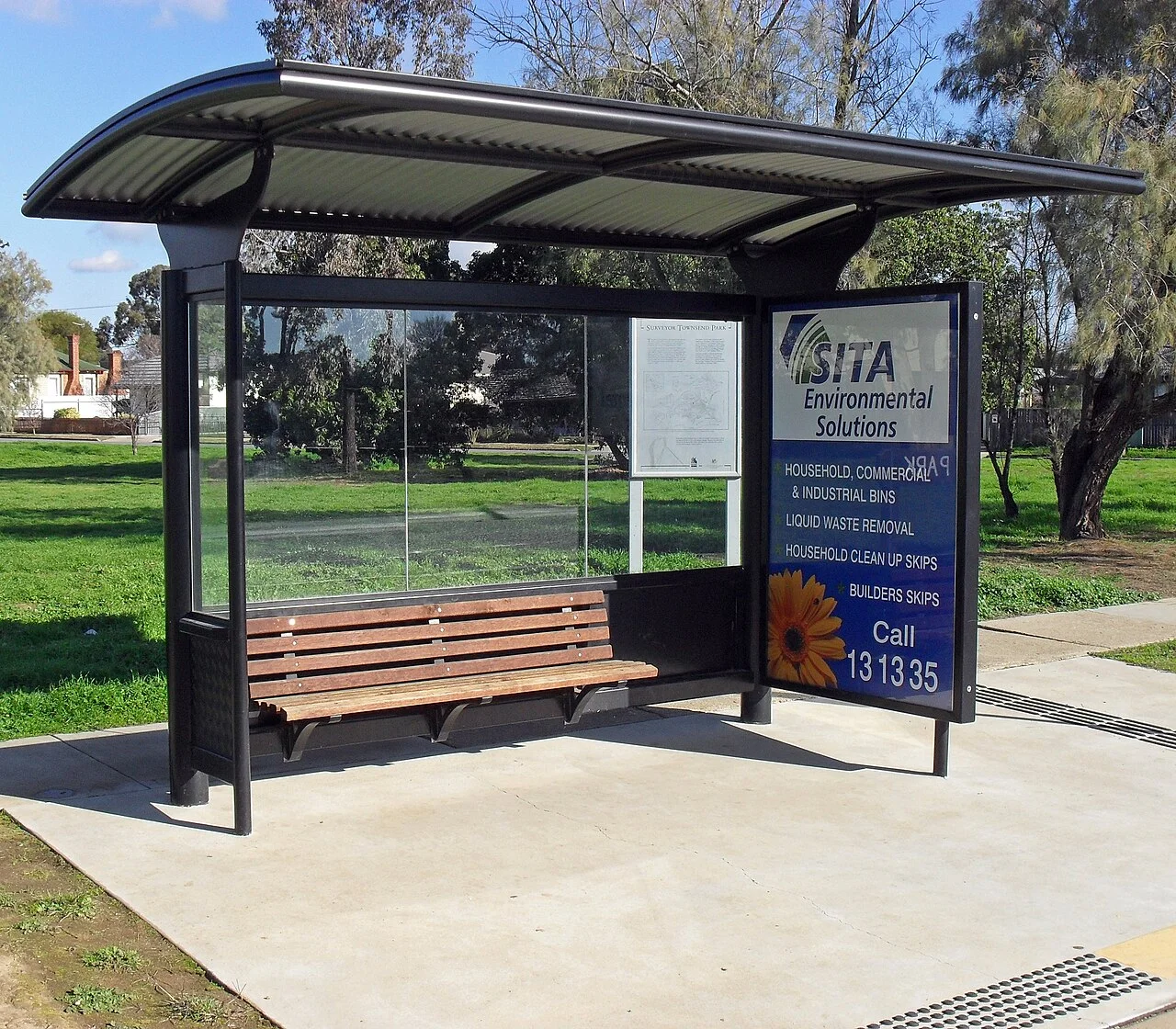
A shelter, a route number and a place to board all serve different parts of a bus journey. Start on the approach to see how the stop works when people use it together.
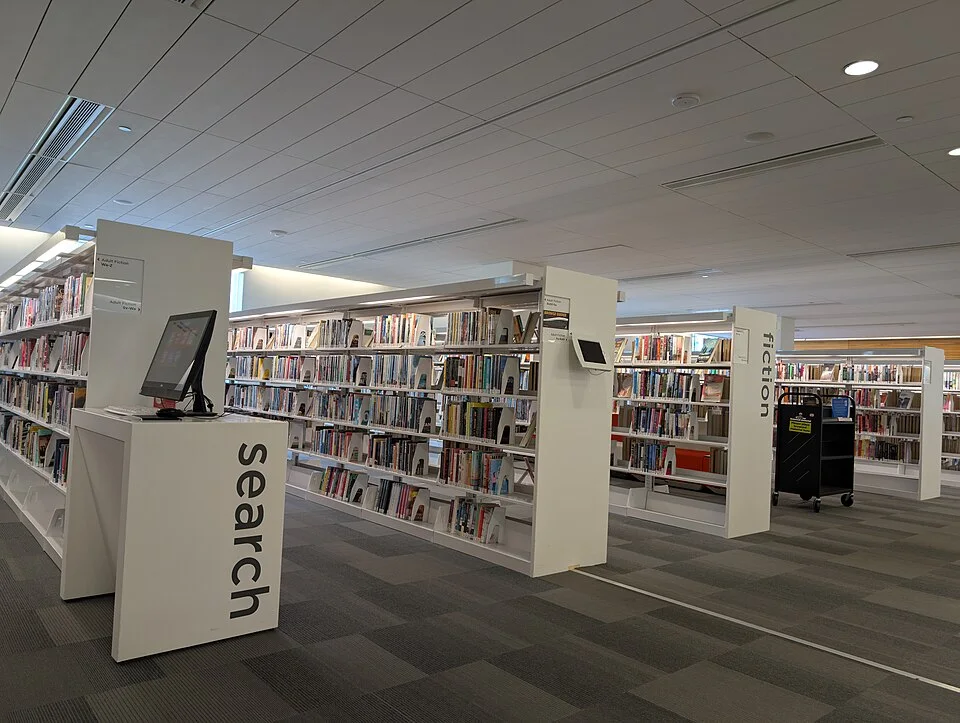
When a library sends a book to another branch for pickup, its most useful room may be the small shelf where the trip ends.