Shared spaces 7 min read
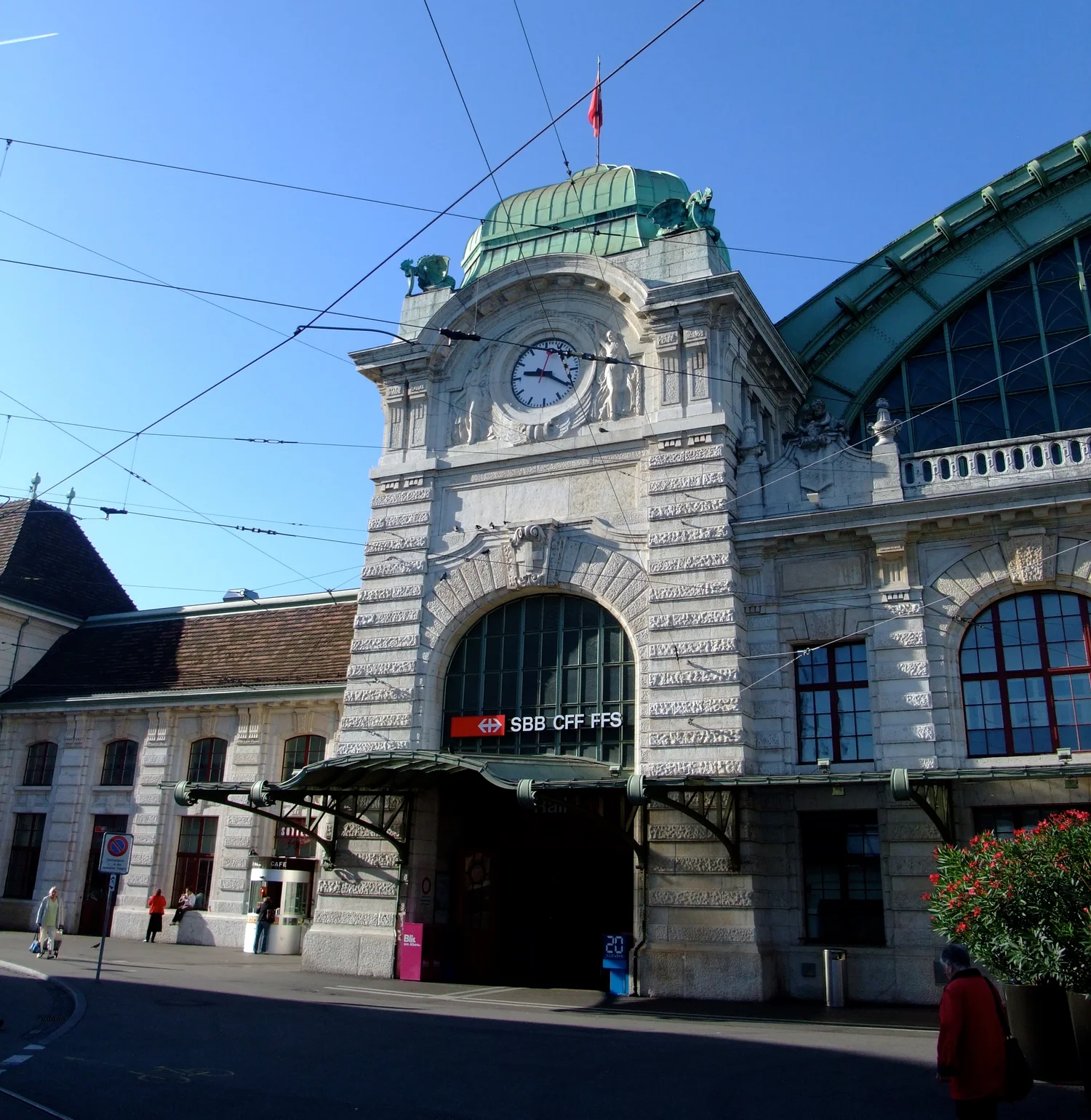
The Clock Above the Station Door
A railway clock gives people in a public room a time they can consult together. It has to be visible at the right moment and recognizable alongside signs that answer different questions.
 The civic life edition
Explore how the design of a shared space affects who can use it.
A railway clock gives people in a public room a time they can consult together. It has to be visible at the right moment and recognizable alongside signs that answer different questions.
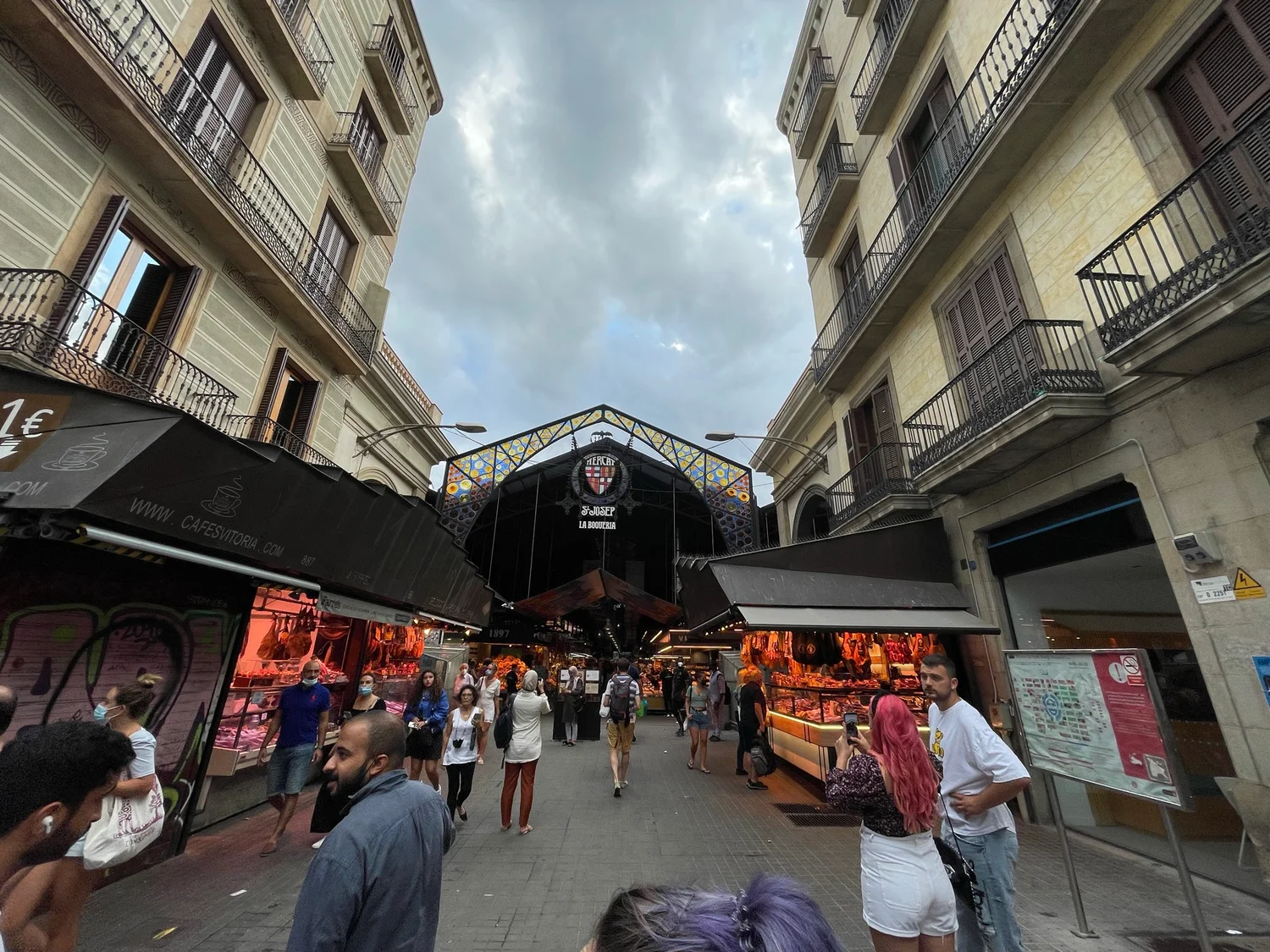
A market directory has to connect names, products and locations. Barcelona’s Boqueria makes a useful starting point for thinking about the small signs that help people share a busy hall.
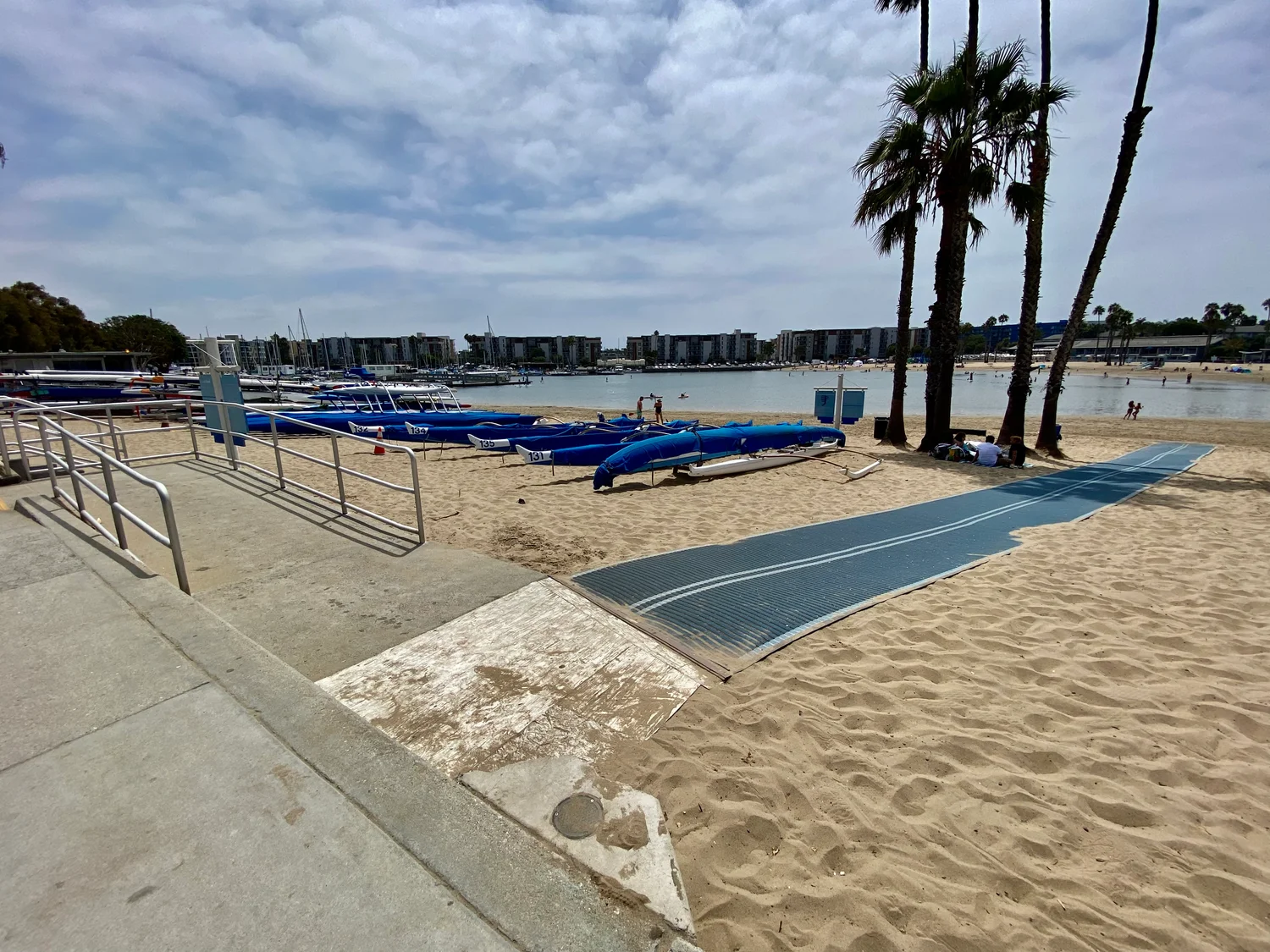
An access mat can make part of the sand easier to cross. To know whether it completes a public trip, follow the route back to the entrance and forward to the place a visitor needs to reach.
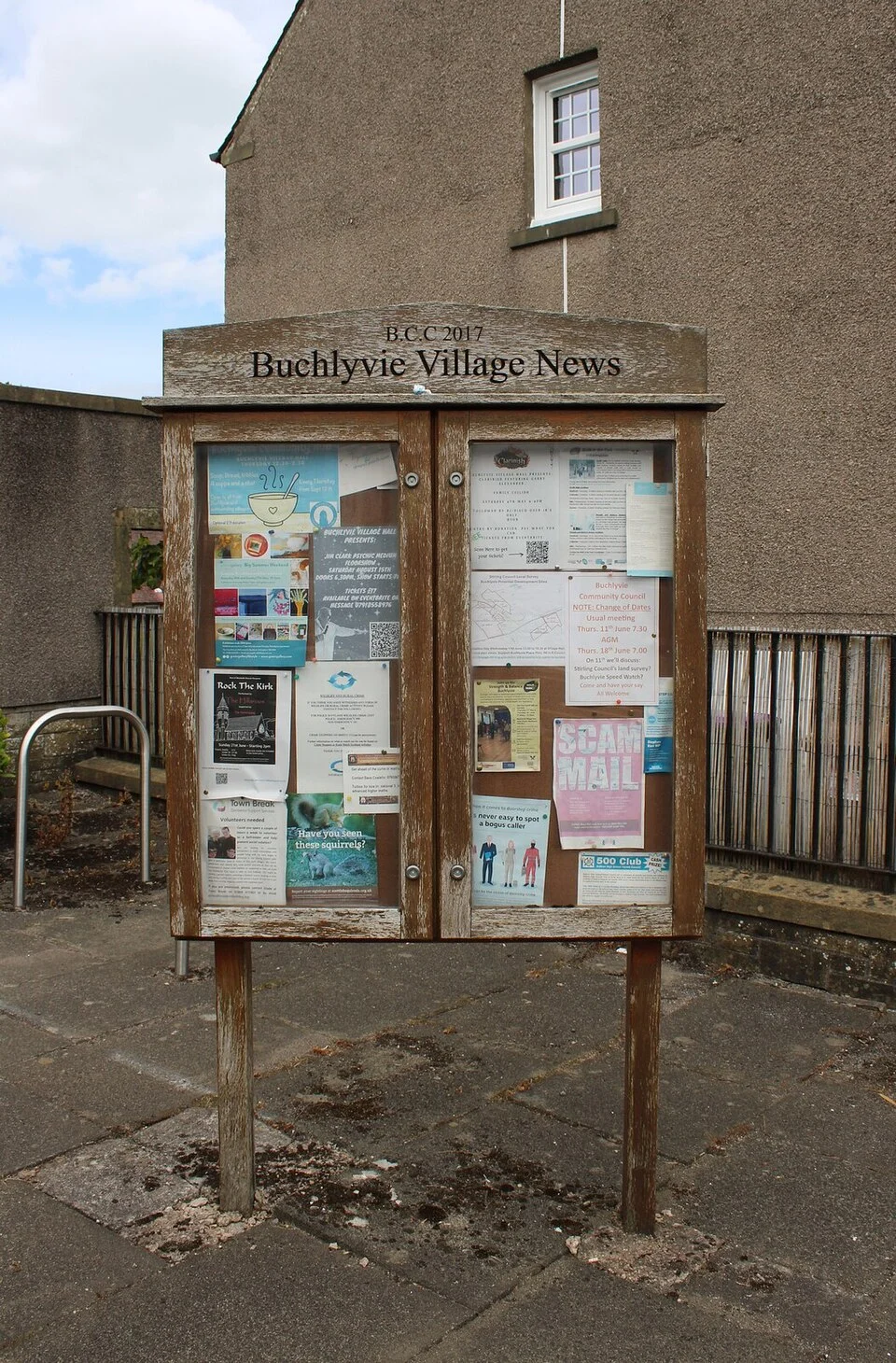
A board can be open to everyone at eye level and still have a locked door. Its keeper has to decide what fits, how long it stays and what happens when information changes.
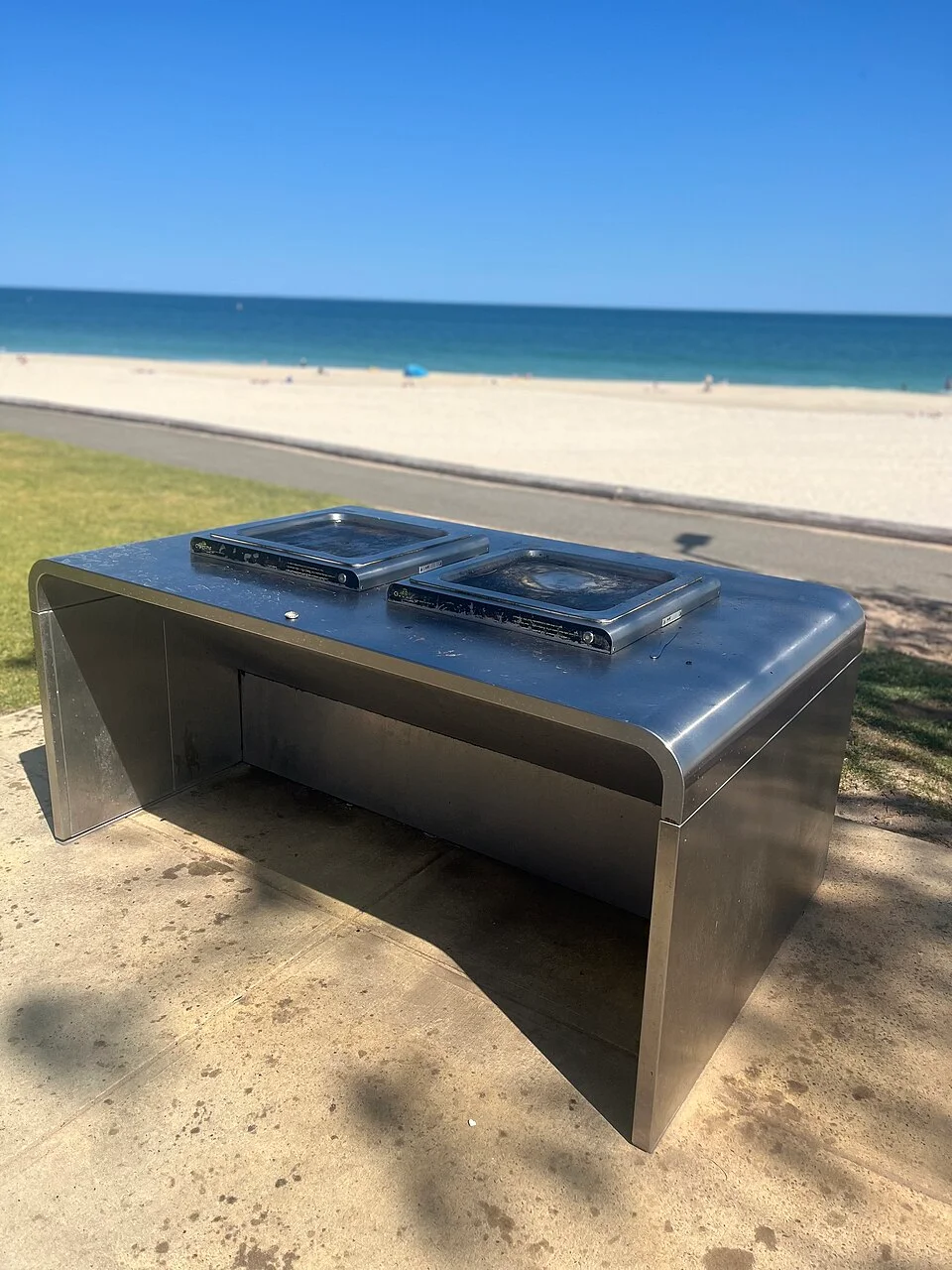
A public barbecue is a fixture several groups can use in the same afternoon. Its placement, rules and upkeep are what make a small shared cooking space work.
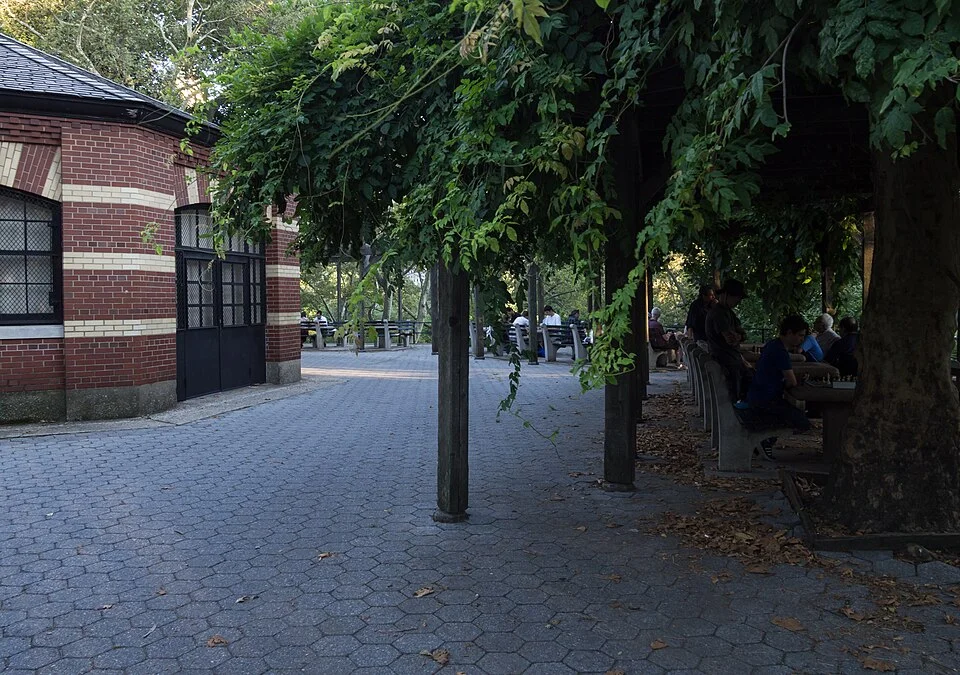
A public chess table comes with a board, a place to sit and a set of choices about who can join. Central Park’s Chess & Checkers House shows what the surrounding space adds.
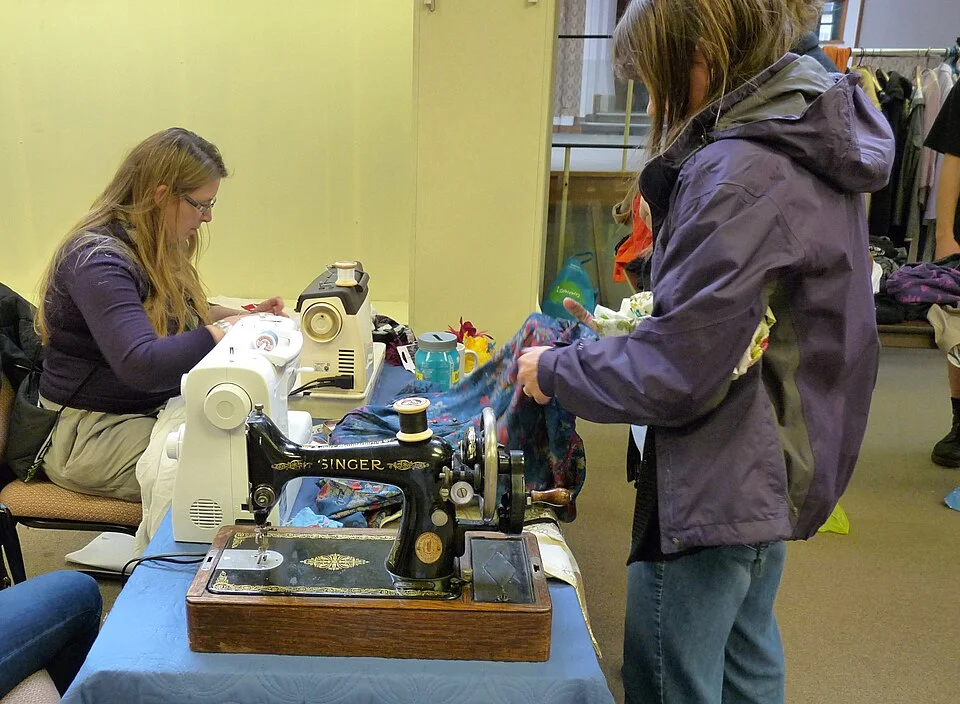
A neighborhood repair event can send someone home with a working item, a next step or a better explanation. Organizing for all three makes the short visit more useful.
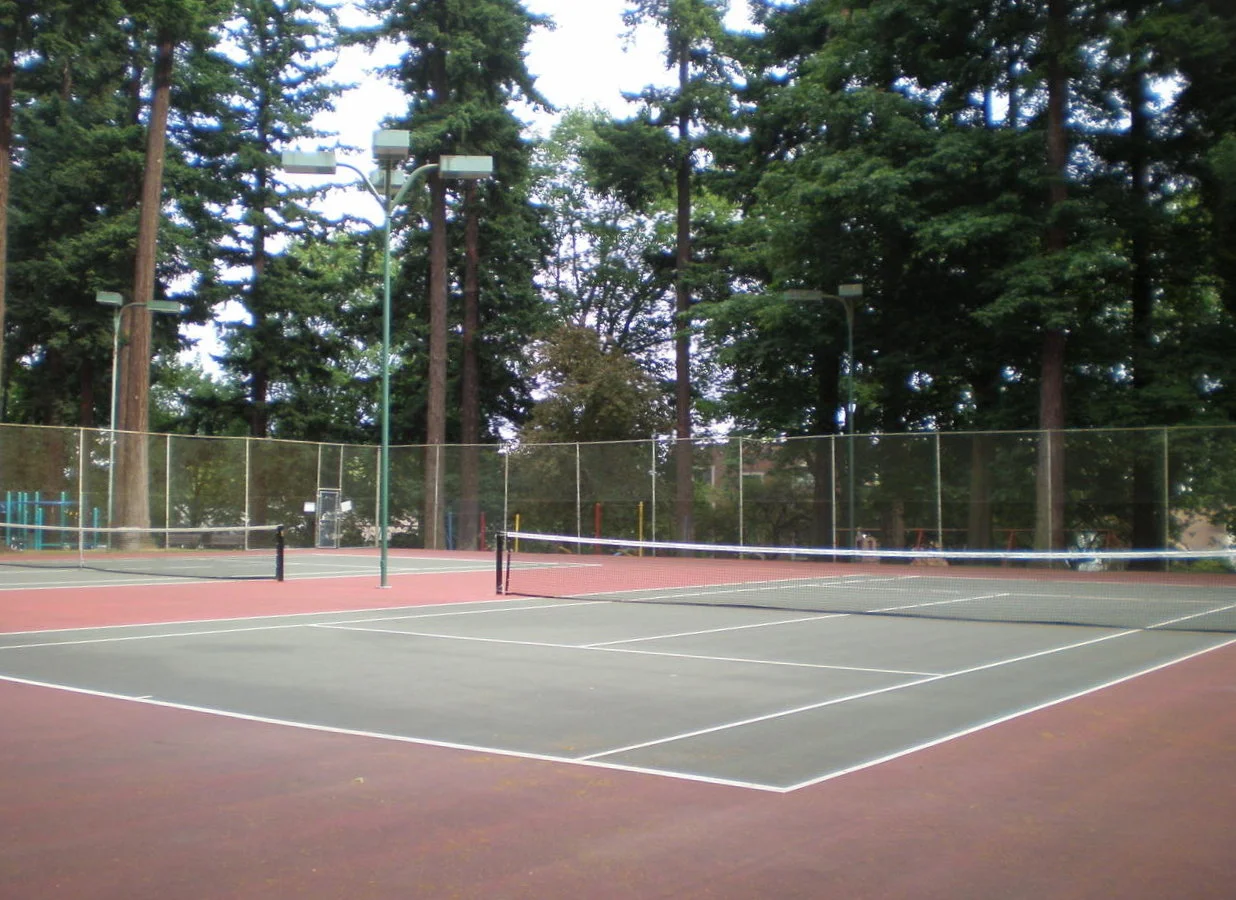
A public tennis court can make room for reservations and spontaneous play. The practical test comes when people arrive, see the same court and have different ideas about who can use it next.
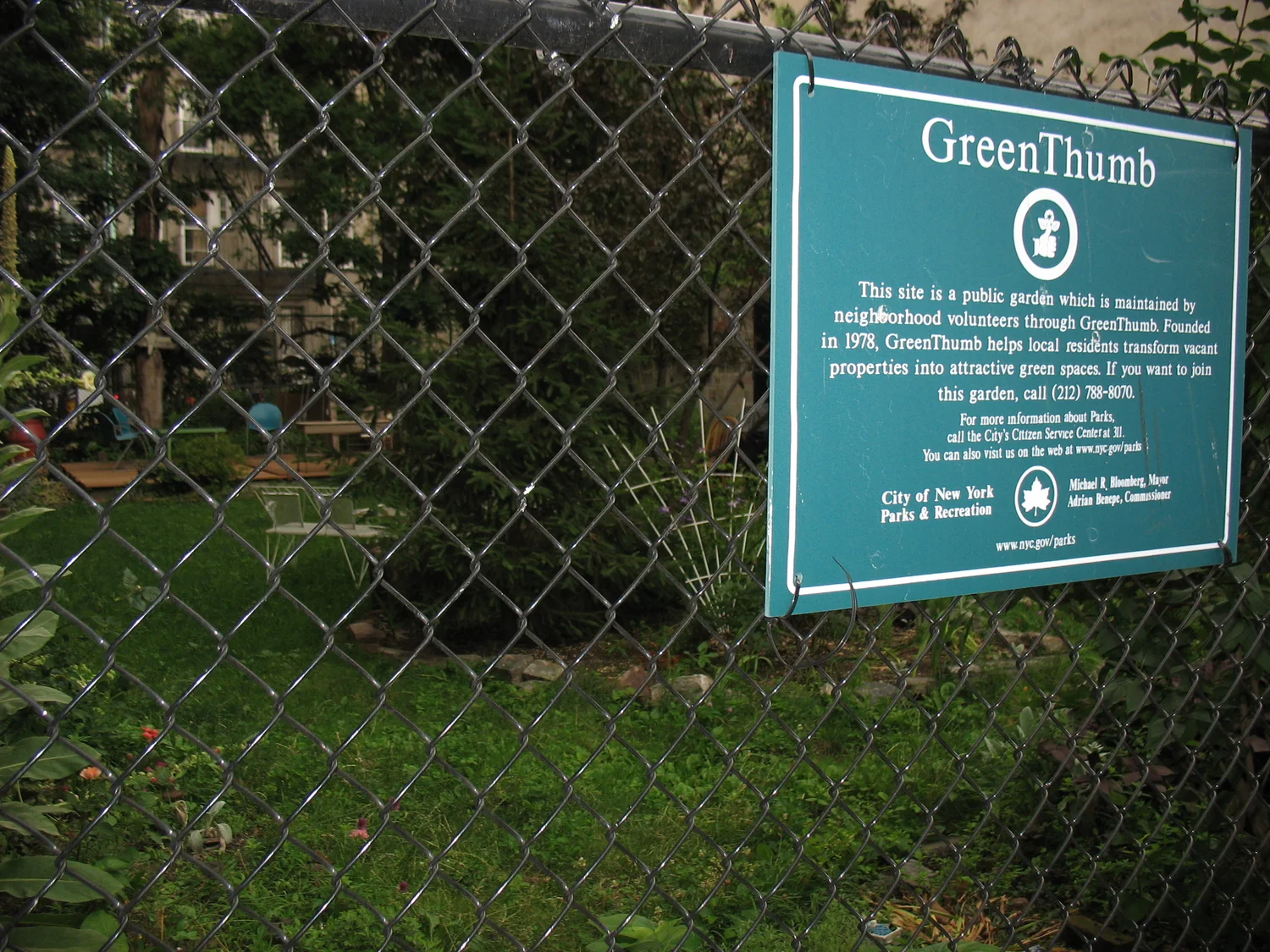
A garden’s public hours involve much more than a key. The arrangement determines how a visitor finds an open gate and how a group can keep offering that welcome.
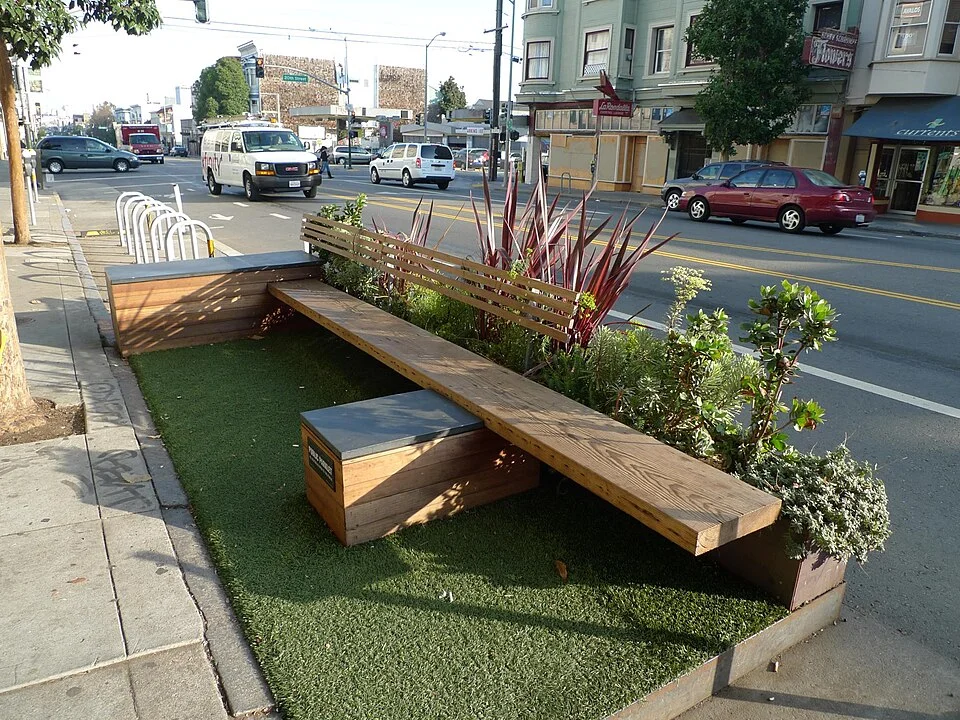
A parklet in a former parking space can give people a place to pause. Signs, entrances, seating and the path past it determine how easily a stranger can tell who is welcome.
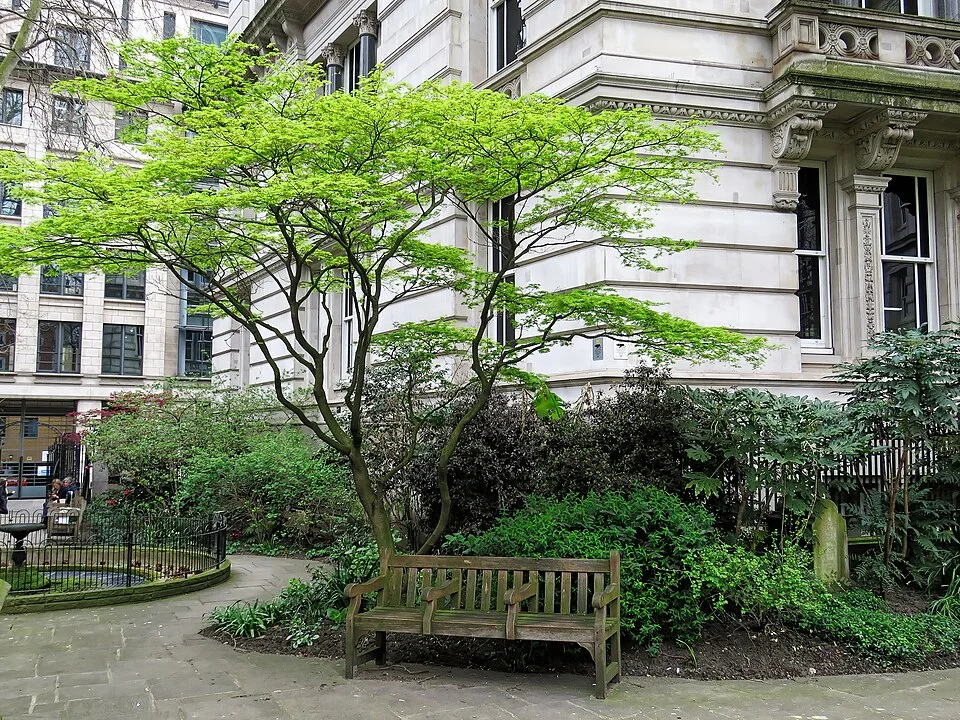
A place to sit can invite people to watch a path, talk with a neighbour, rest in the sun or spend a minute alone. The angle and surroundings make those choices possible.