Where a Park Bench Faces Changes Who Uses It
A place to sit can invite people to watch a path, talk with a neighbour, rest in the sun or spend a minute alone. The angle and surroundings make those choices possible.
In this story 6 sections
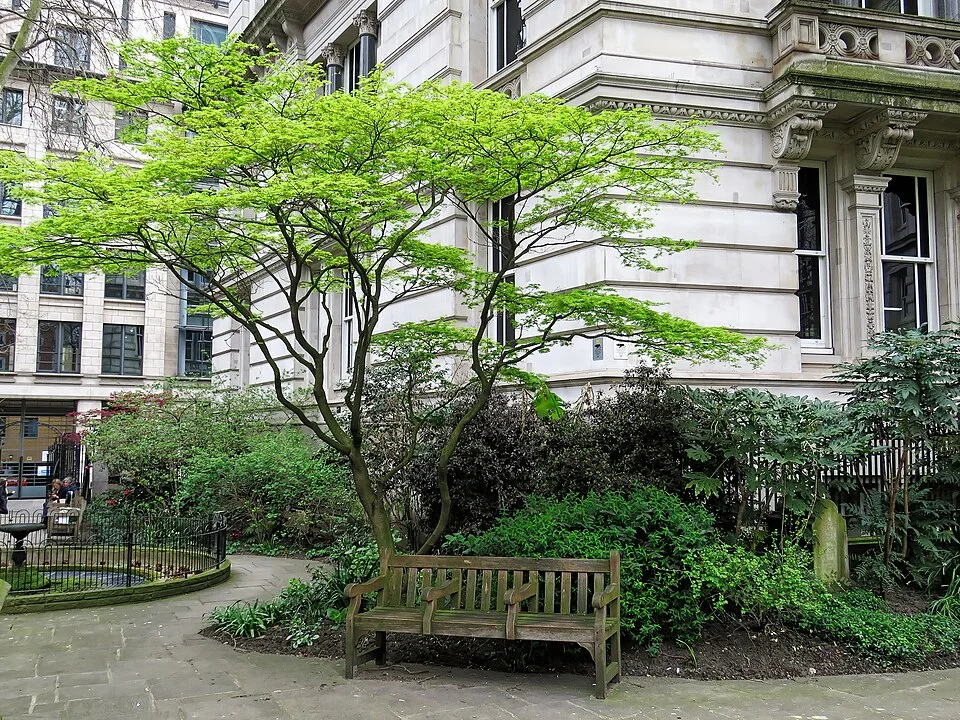
Two benches have empty places at the same time. One looks directly onto a busy path. The other faces a bed of shrubs a little way back. The first offers plenty to see, but somebody who wants to finish a phone call might choose the second. When a park supplies two useful positions rather than two identical pieces of furniture, a reader counting seats learns less than a visitor comparing where the seats look.
Look at the relationships around the seat
Try describing a bench by what a person could see while already seated. A rail or hedge that is easy to see over when standing may cut off most of the view. A parent might use seating positioned to keep an entrance or a play area in sight. Two people who want to talk may prefer an angled arrangement that makes eye contact comfortable without either person turning all the way to the side. There is room in a park for different versions of comfort.
Look behind the bench as well. If the routes approaching it pass very close, a quiet-looking position can feel busy. A strip of free, firm space beside a bench can allow a companion who uses a wheelchair or mobility aid to join the same group. Someone may need a back or an arm support, or a place that can be reached without going across grass. The word “seating” describes the end of a short journey, and mistakes on the way there often cannot be corrected by the shape of the seat.
Revisit the place at a different time
Shade moves, school lets out and maintenance takes place. A good winter seat may feel too exposed on a hot summer afternoon. A nice spot for conversation earlier in the day may have poor sight lines or unclear access after dark. The question is not simply whether a spot is occupied at the time one person visits. How does occupation vary, which nearby places are empty, and what else is happening in the park?
One observation is worth writing down even when no seat is occupied. People may improvise: leaning on a railing during a conversation, sitting on a retaining wall or moving to a step to find the sun. That does not always mean more benches should go where they stood, but it identifies a desirable feature that the existing furniture does not offer. The spur might be a certain angle of view or enough room to stop without blocking anybody.
Ask about a choice rather than a favourite
Try following two possible users rather than giving the bench a score. Somebody with ten minutes before a meeting may want to face a route and see the person they are waiting for. Someone recovering after a long walk may want support and a clear approach from the next stretch of path. They can both make effective use of the same park while preferring different situations. In a space with only one bench, an orientation toward the busiest place might serve the first visitor well and pass over the circumstances that matter most to the second.
Measure separation in the ordinary units people experience while moving: whether another person can pass the bench comfortably, whether a bag can stay near its owner, and whether a companion can sit or wait beside rather than behind the group. A plan with a symbol for a bench often treats its front as irrelevant. A person sitting on it has a very clear front and back. That distinction is central when people need to talk or keep a public place in view while they rest.
When trying to understand a seating arrangement, look for a group that is not well served alongside the people already using it. Sites do not all need the same inventory. A route with few places to rest may benefit most from intervals and supports; a central square may need a variety of orientations and spots for small groups. Do not conclude that a bench is wasted because people who can choose any bench prefer another one at noon. Its contribution may be precisely that it gives somebody a usable choice at a different point in the day.
Check what changes when the approach changes
A long path may offer good seating when approached from a particular entrance. Approaching from another side can produce a very different trip. There may be a step or a stretch of soft ground, or a path to the bench may become muddy after rain. Mark where a person leaves a maintained path and what happens next. A seat can appear to be close to a route and still demand a detour. The detour belongs in a usable description of the park because the people with the greatest need to stop may have the least choice about the route they take.
The place alongside the bench has a similar role. The group of people using it does not begin and end with the surfaces provided for sitting. Someone may need to park a mobility aid within reach, leave room for a child or just stand and follow a conversation. Good free space around the seat can let those people share a place without requiring the pedestrian route to bend around them. Inspect the position with an imagined group that occupies the ground around it, and then check what remains for the people going past. A useful arrangement handles both uses at the same time.
Check that the view is one the user can reliably enjoy. A plant bed that reaches the knees in spring may rise to eye level by summer. A seat with a good view toward the path can be separated from it by people queuing at an event. Those changes do not make the seating unsuitable in every circumstance. They identify when an observation is likely to be repeated. If a park manager later receives a report from another season, the two accounts can be reconciled without assuming one observer misread the place.
Try a reversible observation before proposing a permanent change
In a place where moving furniture is permitted, a pair of chairs can reveal something a fixed bench cannot: people may alter their orientation to talk, escape glare or make room for another visitor. Before drawing a conclusion, watch what they do with the space rather than trying to identify them. Sometimes the useful difference is a few degrees of angle. Sometimes it is the chance to stand up without asking another person to move. A record of recurring movements gives a more specific reason for an adjustment than an opinion about what is broadly comfortable.
Where the seating is fixed, an observation can still distinguish the jobs it is doing. Note whether people sit for a short pause, stay to watch something, or assemble into small groups. Observe from a public place without photographing identifiable people for a report unless there is an appropriate reason and permission. A sketch can stand in for a photograph and show precisely which sight line or route matters. A second observation under different conditions helps determine which of those details belong to a regular pattern.
When reporting an opportunity, describe the change somebody could check on site. A seat set a little farther from a through path might retain a view while giving the users more room. A second orientation can let one group enjoy the sun and give others an alternative. The proposal can be tested by asking what happens to the approach, the view and the route past the seat at the same time. Nobody needs to agree on a single favorite position. A park can do better simply by offering arrangements that work for more than one use.
A place to rest can also connect two places
Think of a route between an entrance and a garden with several minutes of walking in between. Move the imagined seat toward one endpoint and it serves people who have already reached that place. Put it near the middle and it can make the entire trip possible for somebody who needs a rest. The prettiest spot at the end may still deserve seating. A place in which to break the journey does a different job, including on days when there is nothing much to see from it. Map the places where people can pause as part of the trip rather than listing them separately from the paths.
The route back may have a different feel even if it is along the same path. Climbing, glare or an incline encountered at the end of the visit can change what a person needs along the way. In a short record of the park, name the point from which you approached the seat and the direction you intended to go afterwards. Another reader can repeat the observation in reverse. Both accounts can be accurate, and the difference can suggest where a further seat would give people a more dependable route.
Also look for a place where a person can pause without sitting. A broadly usable rest point gives someone room to stop, take a breath, wait for a companion or leave the path briefly. A second look at the arrangement of the ground can reveal a small change that would help several of those uses without immediately changing the furniture.